Russia Declares Multinational Force in Ukraine a Legitimate Military Target
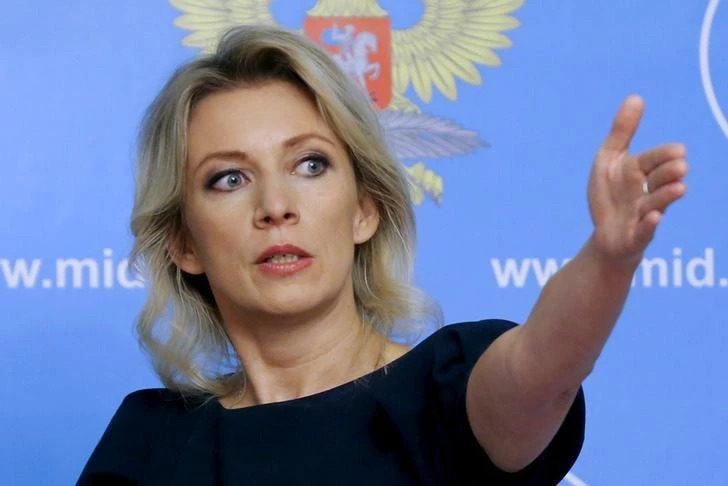
Moscow has issued a stern warning, stating that any multinational force deployed on Ukrainian territory will be considered a "legitimate military target" for the Russian armed forces. This declaration significantly diminishes prospects for any future peaceful settlement of the conflict. The Russian stance indicates a hardening of its position regarding foreign military involvement in Ukraine. The announcement comes amid ongoing discussions and potential agreements between the European Union and Ukraine concerning military cooperation. Notably, the EU and Ukraine have signed an agreement focused on drone production and extending protection for refugees. This Russian ultimatum suggests a potential escalation if Western nations proceed with deploying troops or significant military assets to Ukraine. The Kremlin's framing of such a force as a target implies a readiness to engage militarily with any international contingent operating within the country. The implications for diplomatic efforts and the broader security landscape in Eastern Europe are substantial.
Russia's declaration that a multinational force in Ukraine would be a legitimate military target represents a significant escalation in rhetoric, aimed at deterring direct Western military intervention. This framing seeks to isolate any potential international presence and attribute blame for future conflict to external actors. From a strategic perspective, this stance may be intended to leverage existing geopolitical tensions and exploit divisions within Western alliances. The underlying incentive structure appears to be a desire to control the narrative and limit the scope of international support for Ukraine, thereby influencing the long-term outcome of the conflict without necessarily seeking direct confrontation with NATO. Future developments will likely depend on the West's assessment of the risks associated with deploying forces under such a threat and Russia's willingness to act on its stated intentions.
AI-generated to prompt reflection — not editorial opinion, not advice, not a statement of fact. How this works.