Russia Denies US Claims of Election Interference
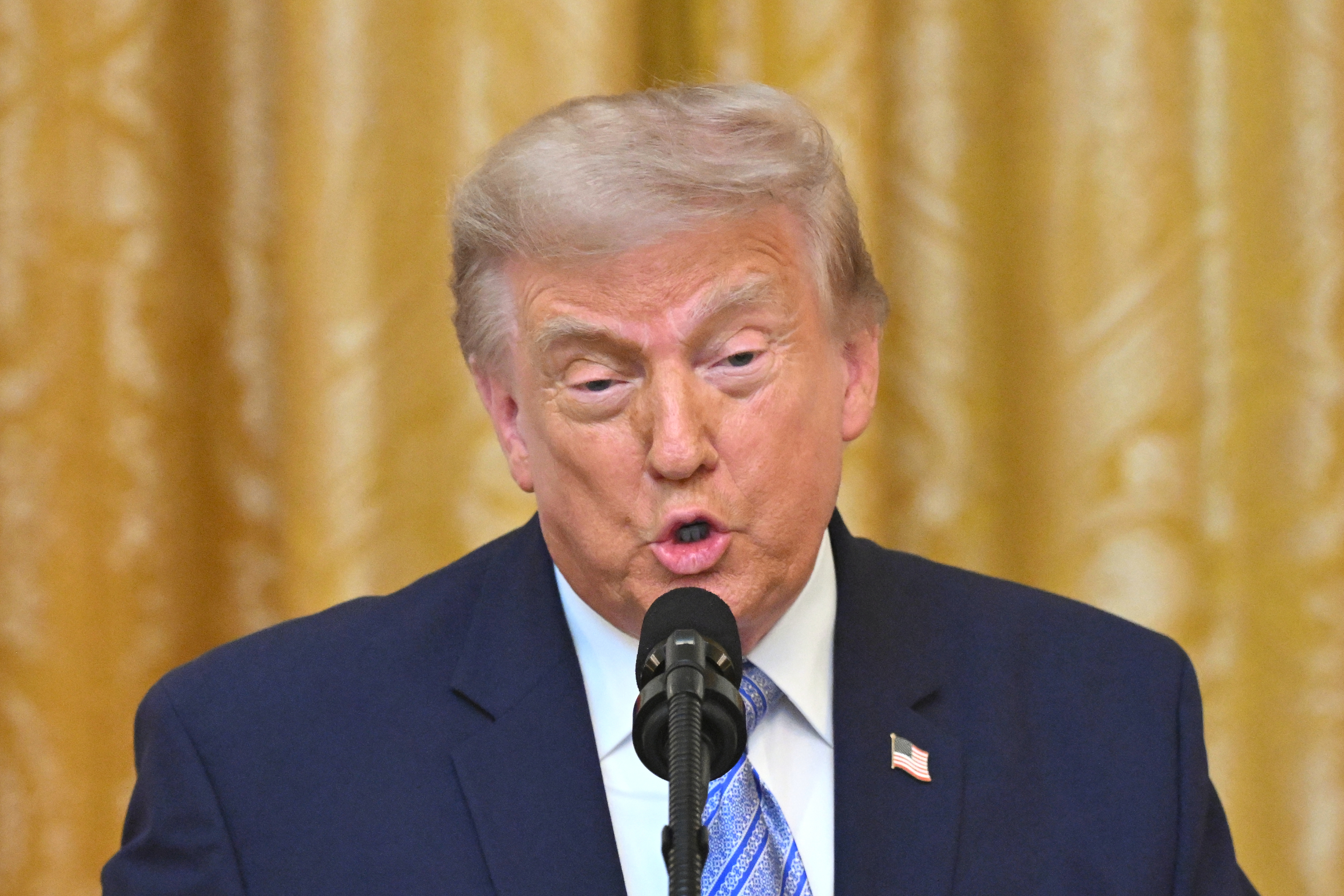
Russia has once again rejected accusations from the United States regarding attempts to interfere in American elections. Kremlin spokesperson Dmitry Peskov denied Moscow's involvement in influencing election outcomes when questioned about statements made by U.S. President Donald Trump. This marks a recurring theme, as the White House has repeatedly raised concerns about foreign interference in U.S. elections. During his first term, Trump himself faced investigations over alleged collusion with Russia during his campaign. In a recent televised address on July 16, 2026, Trump primarily targeted China with accusations of interference, also briefly mentioning Russia alongside Iran and North Korea. He cited declassified intelligence assessments suggesting U.S. electoral infrastructure is vulnerable to attacks from these adversaries. Trump also announced the release of documents he claims prove fraud in the 2020 election, which he lost to Joe Biden, and stated he would request an FBI investigation into China. These claims contrast with a 2021 U.S. intelligence assessment that found no evidence of foreign actors altering the technical aspects of the 2020 presidential election. Numerous court cases, electoral audits, and the U.S. Department of Justice have also dismissed allegations of widespread fraud, finding no evidence of manipulation, including with electronic voting machines. Federal cybersecurity agencies previously described the 2020 election as the most secure in U.S. history.
The recurring accusations of foreign election interference, particularly from the United States, highlight persistent vulnerabilities in electoral systems and the complex geopolitical landscape. While specific claims may be debated, the underlying issue of safeguarding democratic processes against potential external influence remains a critical challenge. The emphasis on technological vulnerabilities suggests a need for robust cybersecurity measures and international cooperation to ensure the integrity of elections. Furthermore, the repeated dismissal of fraud allegations by U.S. courts and intelligence agencies, despite persistent claims from political figures, points to the importance of evidence-based assessments and the resilience of established institutions in verifying electoral outcomes. This dynamic underscores the ongoing tension between national security concerns, political rhetoric, and the imperative of maintaining public trust in democratic governance.
AI-generated to prompt reflection — not editorial opinion, not advice, not a statement of fact. How this works.