Russia Deploys AI-Guided, Unmanned Foam Drones
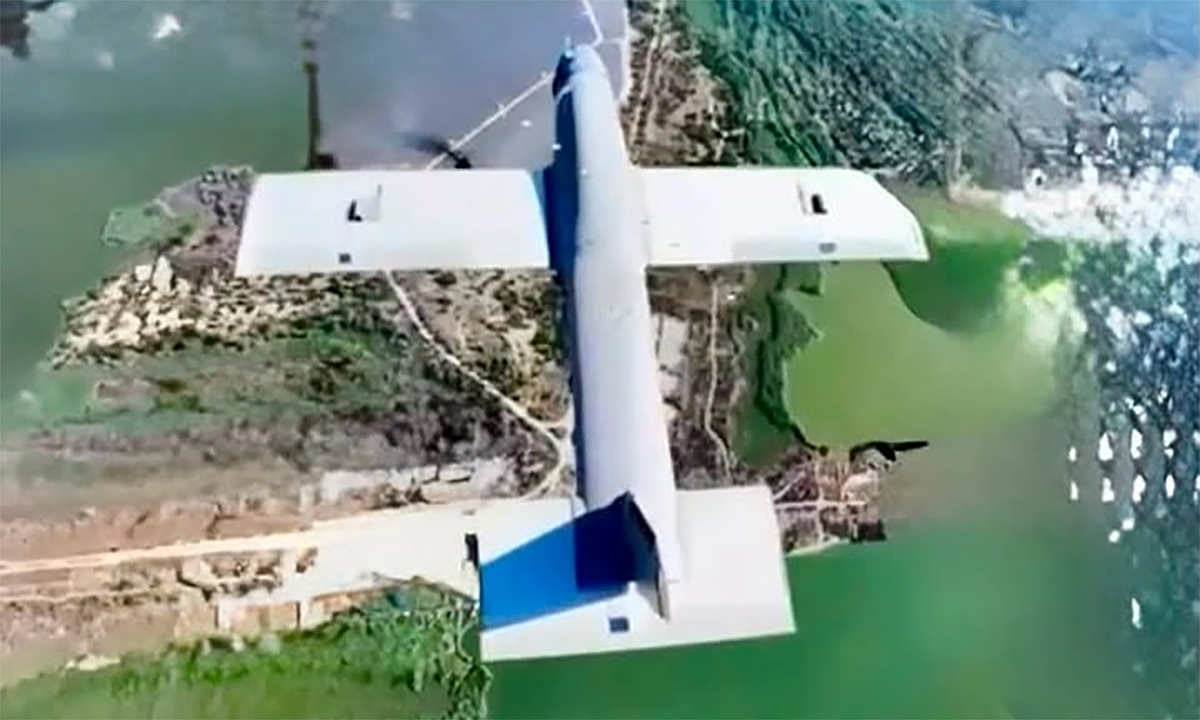
Ukrainian officials report that Russia is extensively utilizing Molniya suicide drones, equipped with AI-powered targeting systems, for strikes within Zaporizhzhia province. These unmanned aerial vehicles (UAVs) are constructed from foam materials and operate autonomously, requiring no direct human control during their missions. The deployment signifies a notable advancement in Russia's drone warfare capabilities, integrating artificial intelligence for enhanced precision and operational efficiency. The specific targets in Zaporizhzhia have not been detailed, but the use of such advanced weaponry raises concerns about the escalating nature of the conflict. The Molniya drones are designed as single-use, kamikaze-style weapons, delivering explosive payloads upon impact. Their construction from foam suggests a focus on low-cost, mass-producible designs, potentially allowing for widespread deployment. The AI targeting system is intended to identify and engage targets independently, reducing the need for real-time human intervention and potentially increasing the speed and effectiveness of attacks.
The reported deployment of AI-guided, foam-based suicide drones by Russia in Zaporizhzhia highlights a strategic shift towards leveraging autonomous systems in modern conflict. This technological integration aims to enhance operational efficiency and reduce risk to personnel by enabling unmanned targeting and engagement. The use of low-cost, mass-producible materials like foam suggests a scalable approach to drone warfare, potentially overwhelming adversaries through sheer volume. From a future perspective, the increasing reliance on AI in military applications raises critical questions about accountability, ethical considerations in targeting, and the potential for algorithmic escalation. The development underscores a broader trend of AI adoption across various sectors, necessitating robust international dialogue on governance and control mechanisms for autonomous weapon systems to ensure stability and prevent unintended consequences in the coming decade.
AI-generated to prompt reflection — not editorial opinion, not advice, not a statement of fact. How this works.