Russia Deploys Electronic Warfare to Disrupt Ukraine's Starlink-Enabled Drones
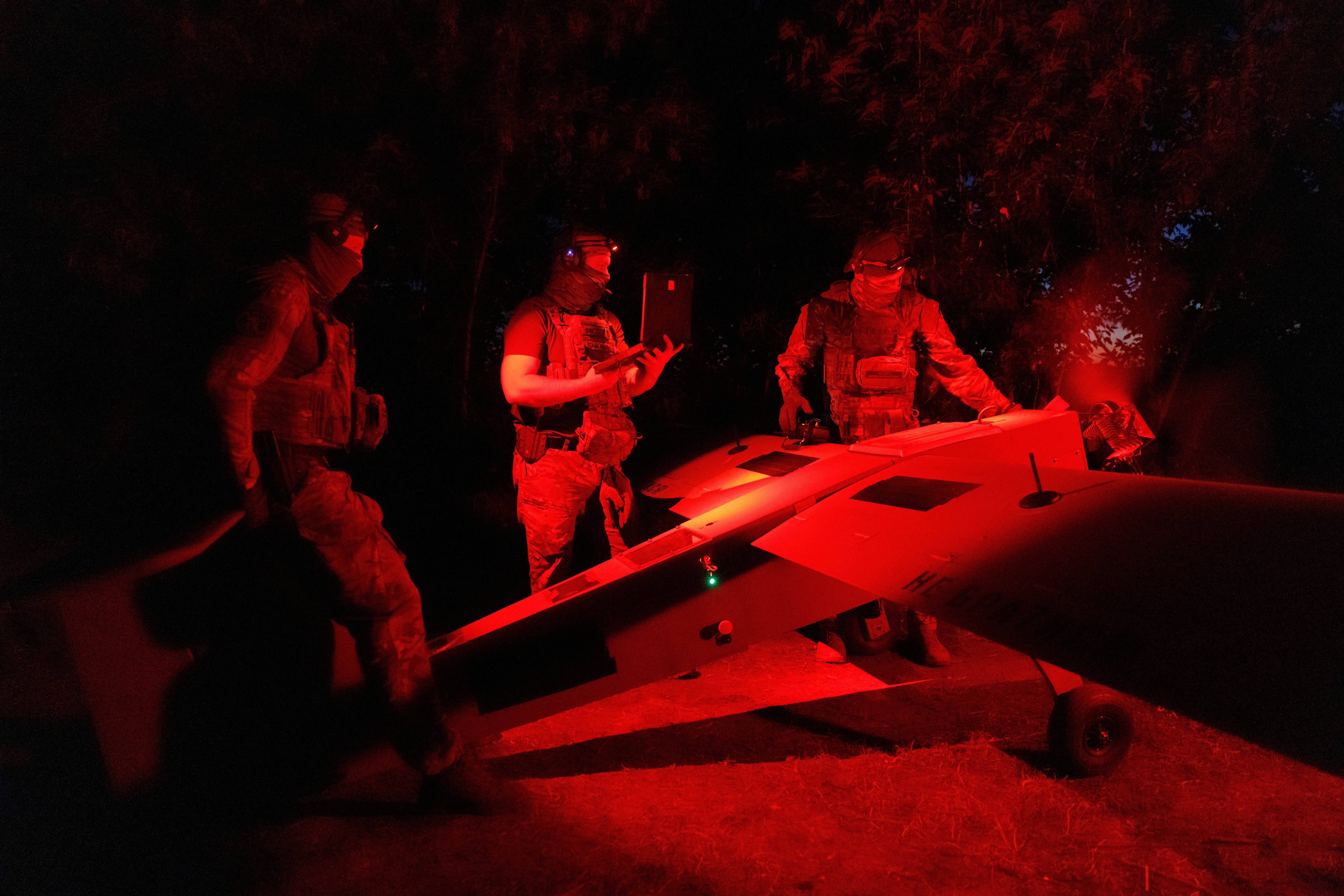
Russia is employing sophisticated electronic warfare systems and camouflage tactics to counter Ukraine's medium-range drone attacks, which rely heavily on Elon Musk's Starlink satellite internet. These drones, capable of striking targets between 25 and 200 kilometers beyond front lines, have significantly impacted Russian logistics, particularly in Crimea, leading to fuel shortages. Ukraine's coordinated strikes have targeted supply lines, fuel depots, and command centers along key routes connecting to the peninsula. In response, Russia has deployed systems like the Volna Kupol Garant, capable of disrupting Starlink signals within a 20-square-kilometer radius, a development that challenges Starlink's previously perceived immunity to interference. Ukrainian officials report a substantial increase in successful drone missions, attributing this to Starlink's reliability after SpaceX restricted Russian access earlier in the year. Russia was reportedly caught off guard by the recent intensification of Ukrainian drone operations but has since mobilized mobile anti-aircraft units and electronic jamming devices. Ukraine has observed at least ten such jamming systems deployed near military installations. Ukrainian forces have successfully targeted some of these interference systems, noting that Starlink-equipped drones operated unimpeded after their destruction. Russia is also adapting its logistics by concealing supplies in civilian vehicles, using secondary roads, and escorting fuel convoys with armed pickups to mitigate the impact of these drone attacks.
The conflict highlights the evolving nature of modern warfare, where civilian technology like Starlink becomes a critical military asset. Russia's countermeasures, including electronic warfare and logistical camouflage, demonstrate an adaptive response to Ukraine's innovative use of drones. This dynamic underscores the strategic importance of resilient communication networks and the ongoing 'cat-and-mouse' game between electronic attack and defense capabilities. Future conflicts may see increased focus on hardening satellite communications against jamming and developing autonomous systems less reliant on continuous ground control. The situation also points to the dual-use nature of commercial technologies and the complex geopolitical considerations arising from their deployment in conflict zones.
AI-generated to prompt reflection — not editorial opinion, not advice, not a statement of fact. How this works.