Russia Deploys Wounded Soldiers Back to Front Lines
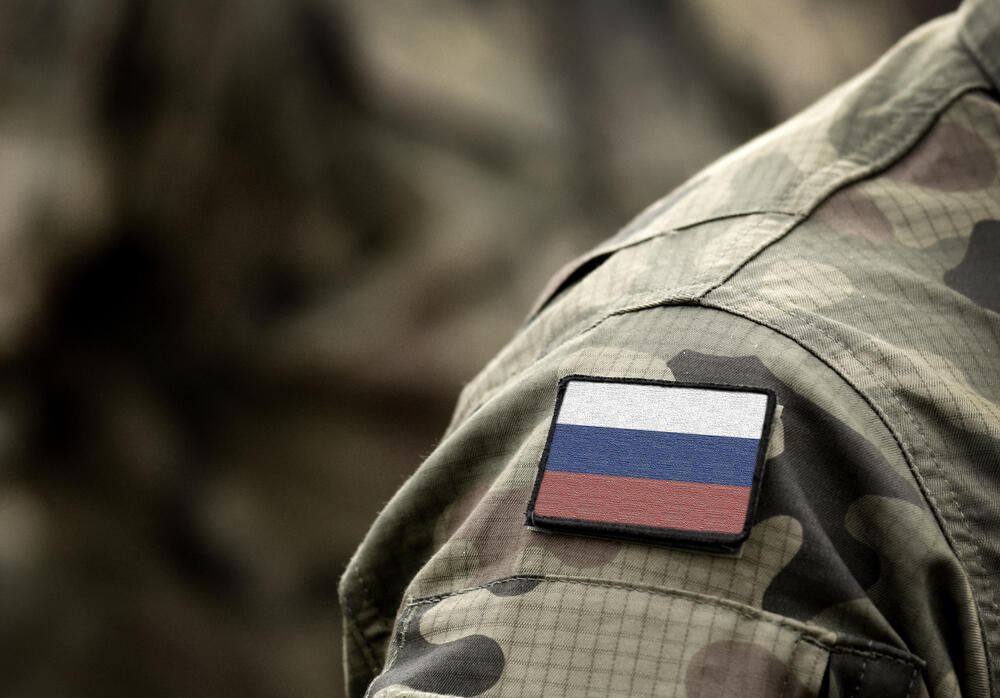
Russia is reportedly sending injured and sick soldiers back to the front lines, circumventing established legal categories for military discharge. Russian law distinguishes between "unfit" and "partially fit" soldiers, which typically allow for earlier release from service. However, current practices appear to disregard these classifications, prioritizing operational needs over soldier welfare. This situation raises concerns about the health and readiness of troops being redeployed. The legal framework for military service in Russia outlines specific conditions under which soldiers can be dismissed due to their physical or mental condition. The alleged practice of sending ill or wounded personnel back into combat zones suggests a potential strain on military resources or a shift in policy regarding personnel management. Further details on the specific numbers of soldiers affected or the exact circumstances of their redeployment are not provided in the source material. The implications for troop morale and long-term military effectiveness are significant.
The reported redeployment of injured and sick soldiers back to the front lines, potentially overriding legal classifications for discharge, suggests a severe strain on military personnel resources. This practice, if confirmed, could indicate a strategic imperative to maintain troop numbers at the expense of individual soldier welfare and long-term combat effectiveness. From a systemic perspective, such decisions may create a feedback loop where reduced readiness and increased casualties necessitate further risky personnel deployments. Evaluating this situation through a future-oriented lens, the sustainability of military operations heavily relies on robust personnel management, including adequate medical care and adherence to legal discharge protocols. Failure to address these underlying issues could lead to diminished morale, increased desertions, and long-term reputational damage to the military's command structure.
AI-generated to prompt reflection — not editorial opinion, not advice, not a statement of fact. How this works.