Russia Designates Former Presidential Candidate a "Spy" Ahead of Elections
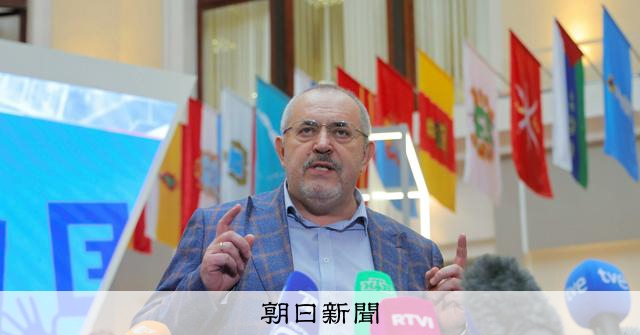
Russia has designated a former presidential candidate as a "spy," a move widely seen as an attempt to exclude the individual from the upcoming parliamentary elections scheduled for September. The designation raises concerns about political freedoms and the integrity of the electoral process in Russia. The former candidate, whose name has not been widely publicized in connection with this specific designation, had previously run for president, indicating a history of political engagement. This action follows a pattern of increased political repression and suppression of dissent observed in Russia in recent years. The timing of the designation, shortly before the parliamentary elections, suggests a strategic effort to remove potential opposition figures from the political landscape. International observers often scrutinize Russia's elections for fairness and transparency, and such designations can further erode confidence in the democratic process. The designation as a "spy" carries significant implications, potentially leading to severe legal consequences and public stigmatization for the individual involved. This incident highlights the challenges faced by opposition figures and critics of the government in Russia. The government's actions appear aimed at consolidating power and limiting any perceived threats to its authority.
The designation of a former presidential candidate as a "spy" ahead of parliamentary elections suggests a strategic use of state power to manage political competition. Such actions, while potentially effective in removing perceived threats, can create a chilling effect on political participation and dissent, potentially undermining the legitimacy of the electoral process. From a governance perspective, this raises questions about the balance between national security concerns and the protection of political freedoms. The long-term implications may include a further concentration of power and a diminished space for genuine political opposition, which could impact Russia's internal stability and international relations in the coming decade.
AI-generated to prompt reflection — not editorial opinion, not advice, not a statement of fact. How this works.