Russia Drills 8km Deep for Unproven Oil Theory
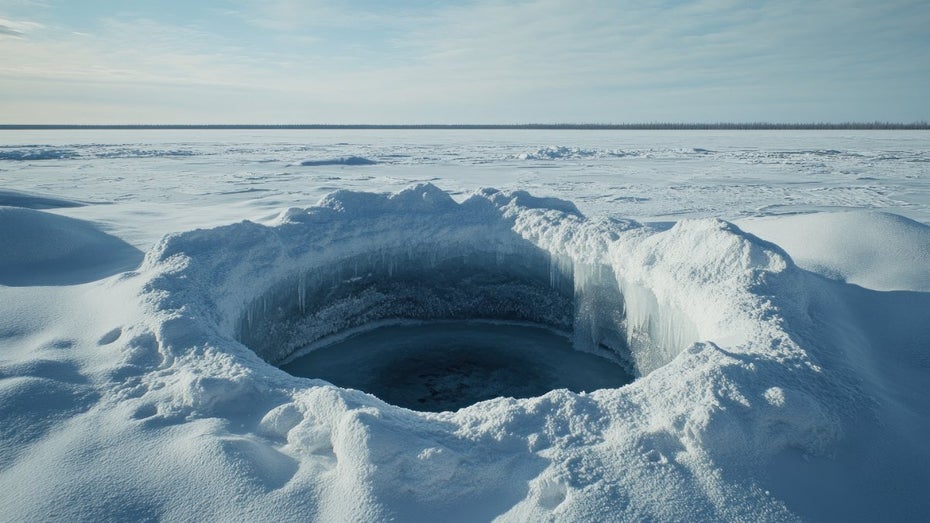
Russian researchers are undertaking an ambitious drilling project in the Arctic, aiming to reach a depth of 8 kilometers. Their objective is to validate an old theory from Soviet times concerning oil deposits. This scientific endeavor is rooted in the hypothesis that specific geological conditions in the region could harbor significant oil reserves, a concept that has not previously been successfully demonstrated.
The project is currently facing considerable debate within the scientific community. Critics point to the historical lack of success with similar theories and the immense technical challenges associated with drilling at such extreme depths in the harsh Arctic environment. The researchers' prospects for a successful outcome are considered to be rather low, given the unproven nature of the underlying theory and the logistical hurdles involved.
This deep-drilling initiative in the Arctic, driven by a Soviet-era oil theory, highlights a persistent tension between scientific exploration and economic pragmatism. While the pursuit of novel energy resources is a constant in global resource management, the decision to invest heavily in an unproven hypothesis, particularly in an environmentally sensitive and logistically complex region, warrants scrutiny. The project's success hinges on overcoming both theoretical uncertainties and practical engineering challenges. Future energy strategies will likely balance such high-risk, high-reward ventures against more predictable and sustainable alternatives, considering the long-term implications of resource extraction and the evolving global energy landscape.
AI-generated to prompt reflection — not editorial opinion, not advice, not a statement of fact. How this works.