Russia Equips Drones with Magnetic Compasses for Navigation Amid GPS Disruptions
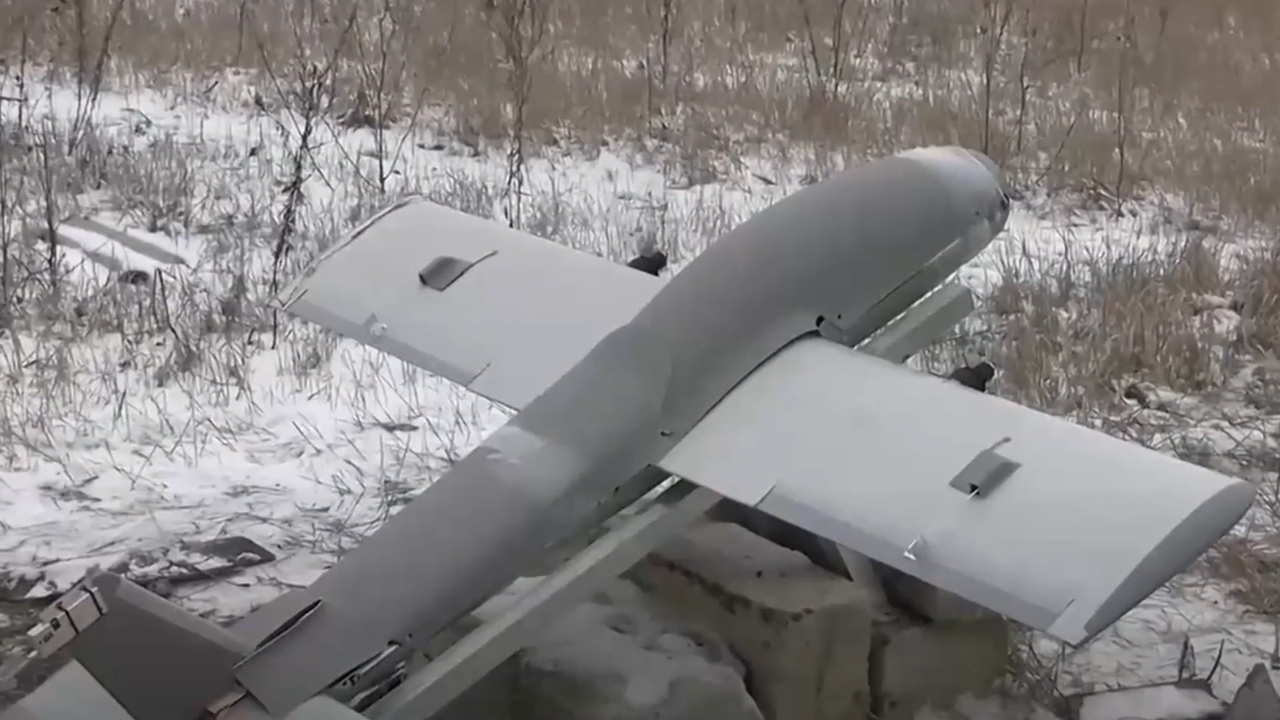
Russian drone operators are reportedly equipping their unmanned aerial vehicles with simple magnetic compasses to aid navigation. These low-cost additions are being used as a backup system to help drones maintain their bearings and locate targets, particularly when satellite communication systems like GPS are lost or jammed. The drones' onboard cameras can be used to periodically check the compass readings, suggesting a practical, albeit rudimentary, solution to maintain operational effectiveness in challenging electronic warfare environments. This improvisation highlights the adaptability of Russian forces in overcoming technological limitations on the battlefield. The use of magnetic compasses indicates a reliance on basic navigational principles when more advanced systems become unreliable. This method allows for continued targeting and reconnaissance missions even without a stable GPS signal.
The reported use of magnetic compasses on Russian drones underscores a pragmatic response to potential GPS denial or disruption. This improvisation reflects an adaptation to the evolving electronic warfare landscape, where reliance on single navigation systems can be a vulnerability. By integrating low-cost, readily available components, Russian forces demonstrate a focus on operational resilience and maintaining targeting capability. This approach highlights a broader trend of leveraging fundamental technologies to supplement or replace sophisticated systems when necessary, prompting consideration of the trade-offs between advanced technological dependence and the robustness of simpler, more resilient solutions in complex operational theaters. The long-term implications may involve a renewed emphasis on hybrid navigation strategies that combine various methods to mitigate risks associated with electronic warfare.
AI-generated to prompt reflection — not editorial opinion, not advice, not a statement of fact. How this works.