Russia Escalates Book Censorship, Sparking Fear Among Publishers and Readers
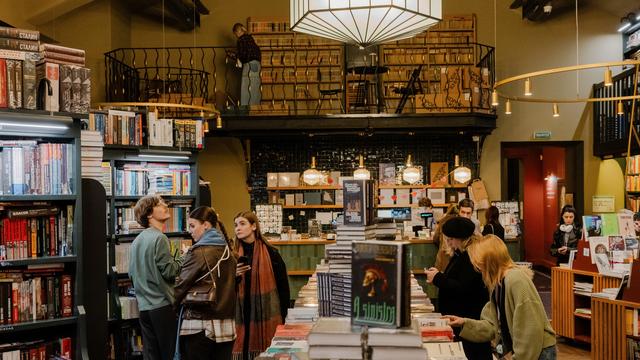
The Russian state has intensified its efforts to censor literature, effectively making books its primary adversary. This crackdown has instilled widespread fear among publishers, authors, and readers across the country. Reports indicate that the government is actively banning books, leading to a climate of apprehension within the literary community. The severity of the situation has been described with extreme metaphors, highlighting the perceived existential threat to free expression and access to information. This trend suggests a broader governmental effort to control narratives and suppress dissenting voices through the manipulation of cultural and intellectual content. The fear among those involved in publishing and reading points to a significant chilling effect on artistic and intellectual freedom in Russia. The state's actions are creating an environment where the very existence of publishing houses and the dissemination of diverse ideas are under threat. This aggressive stance against literature signifies a worrying development for cultural diversity and open discourse within Russia.
The Russian state's aggressive book banning and censorship campaign represents a significant consolidation of narrative control. By targeting literature, a fundamental medium for cultural exchange and critical thought, the government aims to shape public discourse and limit exposure to potentially challenging ideas. This approach, while seemingly aimed at preserving a specific national ideology, risks isolating Russia from global intellectual currents and stifling internal creativity. The long-term consequence may be a less dynamic and adaptable society, ill-equipped to navigate the complexities of the future, particularly in an era increasingly defined by information access and diverse perspectives.
AI-generated to prompt reflection — not editorial opinion, not advice, not a statement of fact. How this works.