Russia Escalates Tactics with Deceptive Improvised Explosive Devices in Ukraine
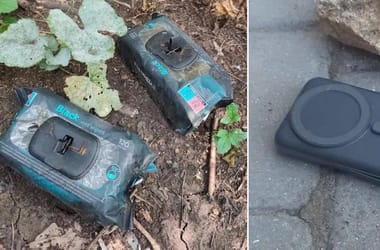
Russian forces have escalated their tactics in Ukraine, particularly in Kherson, by concealing explosives within seemingly innocuous everyday objects. This new strategy involves disguising bombs as common items such as mobile phone chargers and tissue boxes. The aim is to deceive Ukrainian civilians, making the devices appear harmless until detonation. This method represents a significant shift from previous Russian tactics, exploiting the trust civilians place in ordinary objects. The implementation of these disguised explosive devices poses a severe threat to civilian safety, as they can be easily mistaken for functional items. The effectiveness of this tactic lies in its ability to bypass initial security measures and target unsuspecting individuals. Ukrainian authorities are reportedly working to identify and neutralize these threats, but the widespread nature of such disguised devices presents a considerable challenge. The psychological impact on the civilian population is also significant, fostering an environment of heightened fear and suspicion.
Russia's reported deployment of improvised explosive devices disguised as everyday items like phone chargers and tissue boxes in Kherson signifies a calculated escalation in asymmetric warfare tactics. This approach leverages psychological manipulation by exploiting civilian trust in commonplace objects, aiming to increase casualties and sow fear. The strategy shifts the burden of detection onto civilians and local authorities, potentially overwhelming existing counter-IED capabilities. From a systemic perspective, this tactic highlights the challenges of urban warfare and the increasing difficulty in distinguishing between civilian infrastructure and military threats. As technology advances, the potential for such deceptive devices to proliferate across various conflict zones raises concerns about future humanitarian law enforcement and the protection of non-combatants. The long-term implications may include a further erosion of trust in essential goods and a heightened state of alert for civilian populations in affected areas.
AI-generated to prompt reflection — not editorial opinion, not advice, not a statement of fact. How this works.