Russia Expands 'Ghost Fleet' to Evade EU LNG Sanctions
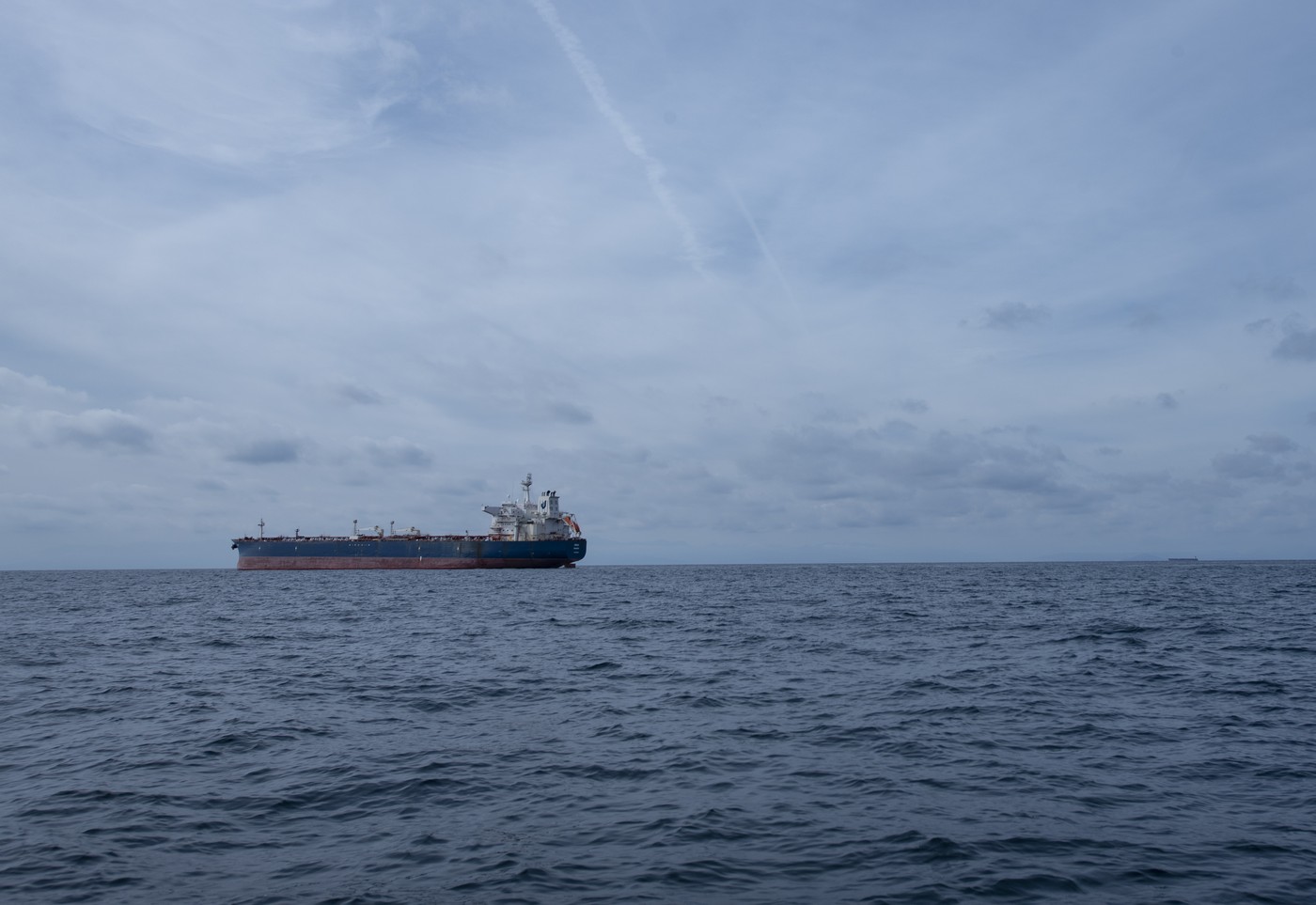
Russia has quietly expanded its 'ghost fleet' of oil tankers to circumvent upcoming European Union sanctions on liquefied natural gas (LNG) shipments. The fleet has been bolstered by the acquisition of secondhand vessels and the addition of Russia's first domestically built oil tankers. These measures are being put in place in anticipation of the EU's ban on Russian LNG, which is set to take effect next year. The Financial Times reported that the tactics Russia is employing are largely consistent with those used previously to bypass oil sanctions. This expansion aims to ensure continued energy exports despite international restrictions.
Russia's strategic expansion of its 'ghost fleet' demonstrates a proactive approach to mitigating the economic impact of anticipated EU sanctions on LNG. By leveraging secondhand vessels and developing domestic shipbuilding capabilities, Russia seeks to maintain its energy export channels. This move highlights the ongoing tension between international regulatory efforts and a nation's drive for economic self-preservation through alternative logistical means. The effectiveness of these measures will depend on the EU's enforcement capabilities and the global maritime industry's response to such shadow fleets, particularly in the context of evolving energy markets and geopolitical alignments over the next decade.
AI-generated to prompt reflection — not editorial opinion, not advice, not a statement of fact. How this works.
