Russia Hacked Dutch Military Route Cameras, Intelligence Services Report
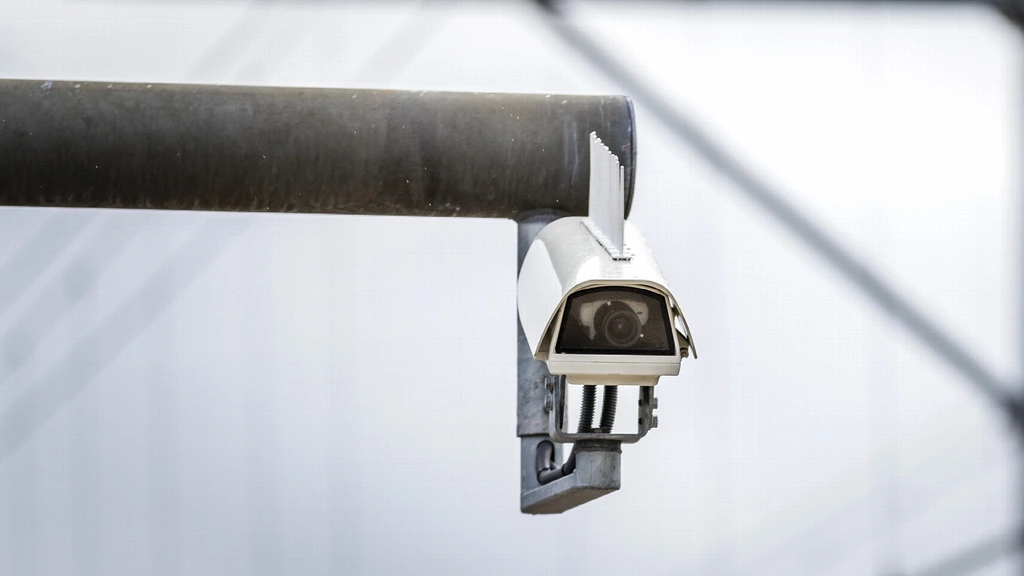
Russian intelligence services have successfully hacked a small number of cameras situated along military routes in the Netherlands, according to a joint investigation by the General Intelligence and Security Service (AIVD) and the Military Intelligence and Security Service (MIVD). The compromised devices were privately owned internet-accessible IP cameras, often used by businesses. By accessing these cameras remotely, Russia could gain insights into military transport routes and the types of weaponry and equipment being supplied to Ukraine. Dutch intelligence agencies have previously flagged Russian interest in military-logistic routes, identifying the Netherlands as a target for espionage due to its geographical position and substantial support for Ukraine. The AIVD and MIVD have alerted companies operating these IP cameras along military routes to implement necessary security measures. The intelligence services noted that these IP cameras are frequently inadequately secured, often due to default passwords, outdated firmware, and standard configurations. These Russian espionage activities involving IP cameras are reportedly systematic and have been observed in other NATO and EU member states, as well as in Ukraine.
This incident highlights a persistent vulnerability in networked surveillance devices, irrespective of their intended use. The Russian intelligence services' exploitation of publicly accessible IP cameras underscores a broader geopolitical strategy of leveraging readily available technology for intelligence gathering on military logistics. The report indicates that inadequate cybersecurity practices, such as default passwords and outdated software, create systemic risks for both private entities and national security. This situation necessitates a dual approach: enhancing the security posture of individual devices and implementing robust national cybersecurity frameworks to monitor and mitigate such cross-border threats. The findings also suggest a pattern of similar activities across multiple NATO and EU countries, pointing to a coordinated effort to map Western military support channels. Future considerations should include incentivizing stronger cybersecurity standards for IoT devices and developing more sophisticated threat detection mechanisms that can identify large-scale, coordinated exploitation of common vulnerabilities.
AI-generated to prompt reflection — not editorial opinion, not advice, not a statement of fact. How this works.