Russia Increases Use of Ballistic Missiles in Aerial Attacks, Ukraine Reports
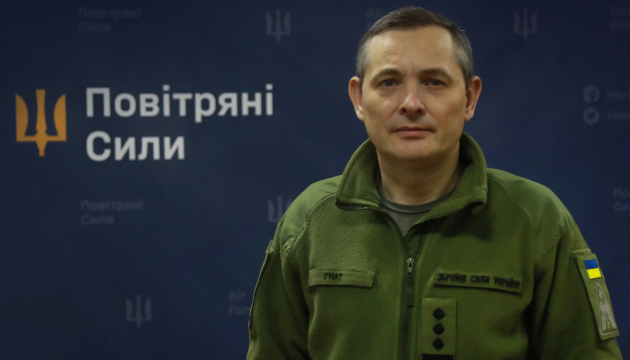
Ukraine's air force spokesperson, Yurii Ihnat, has detailed a shift in Russian aerial attack tactics, noting an increased reliance on ballistic missiles over cruise missiles. Ihnat stated that over the past week, Russian forces deployed approximately 50 ballistic missiles. This change in strategy suggests a potential adaptation by the Russian military in its approach to striking Ukrainian targets. The specific types and intended targets of these ballistic missiles were not elaborated upon. The announcement comes amidst ongoing aerial bombardments across Ukraine, with both ballistic and cruise missiles being part of Russia's arsenal. The shift may indicate efforts to overwhelm Ukrainian air defenses or to target specific strategic locations more effectively. Further details on the implications of this tactical change are expected to be monitored by Ukrainian defense analysts.
The reported increase in Russia's use of ballistic missiles over cruise missiles signifies a potential evolution in their air warfare strategy. This shift could be driven by several factors, including the availability of different weapon systems, the perceived effectiveness of ballistic trajectories against current Ukrainian air defense capabilities, or a desire to saturate defenses. From a strategic perspective, ballistic missiles often have shorter flight times and different targeting profiles compared to cruise missiles, which may necessitate adjustments in Ukrainian early warning and interception protocols. Analyzing this trend requires considering the logistical implications for Russia, the specific types of ballistic missiles being employed, and the strategic objectives they aim to achieve in the coming months. Understanding these dynamics is crucial for assessing the evolving threat landscape and the adaptive capacities of both military actors.
AI-generated to prompt reflection — not editorial opinion, not advice, not a statement of fact. How this works.