Russia Launches Major Drone and Missile Attack on Kyiv, Killing at Least 13
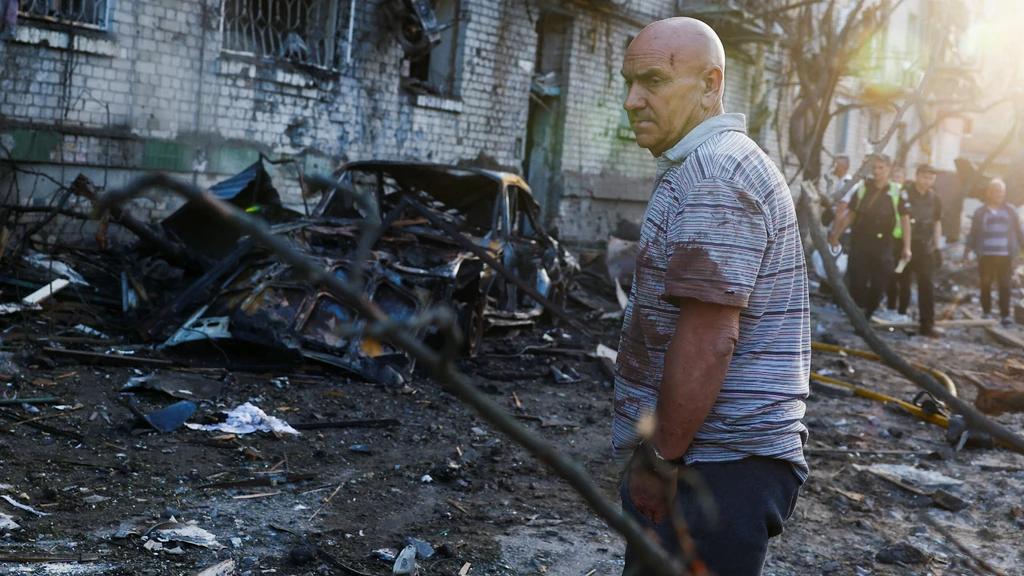
Russia conducted a significant drone and missile attack on the Ukrainian capital, Kyiv, overnight, resulting in at least thirteen fatalities and dozens of injuries, including children, according to local authorities. The strikes damaged apartment buildings, set a hotel ablaze, and caused a nine-story residential building in the north of the city to collapse, with potential victims trapped under the rubble. Widespread damage has been reported across Kyiv, with many residents seeking shelter in metro stations during the prolonged assault, which began yesterday evening and continued until early this morning. Explosions were also reported in other Ukrainian cities, including Zaporizhzhia, Pavlohrad, Sumy, and Kharkiv, with three people injured in Zaporizhzhia. The Ukrainian Air Force stated that Russia deployed approximately 74 missiles and nearly 500 drones in the attack. While the Russian Ministry of Defense claimed to have targeted military and energy infrastructure, evidence suggests civilian objects were primarily hit. Russia asserted the attack was retaliation for Ukrainian strikes within Russia, and Russian media reported intercepting over 300 Ukrainian drones overnight. Ukraine has recently increased its aerial attacks deep into Russia, targeting military and oil facilities, and aiming to isolate Crimea by disrupting its land connections to Russia, causing a significant fuel shortage in the region. President Zelensky had previously warned of an impending large-scale attack based on intelligence, stating President Putin had been preparing the assault for some time. Poland scrambled fighter jets to patrol its airspace as a precaution during the Russian attacks, but reported no incursions.
This large-scale aerial assault on Kyiv, characterized by a high volume of missiles and drones, represents a significant escalation in Russia's strategy against Ukraine. The targeting of civilian infrastructure, as indicated by the damage to residential buildings and hotels, raises concerns about adherence to international humanitarian law and suggests a potential shift towards broader societal disruption rather than solely military objectives. The stated Russian rationale of retaliation, coupled with Ukraine's increasing deep-strike capabilities, points to a cyclical escalation dynamic where defensive and offensive actions by both sides provoke further kinetic responses. This pattern risks entrenching the conflict and prolonging civilian suffering, while also highlighting the critical need for robust air defense systems and continued international diplomatic efforts to de-escalate and seek a sustainable resolution.
AI-generated to prompt reflection — not editorial opinion, not advice, not a statement of fact. How this works.