Russia Launches Most Devastating Attack on Kyiv Since War Began, Killing 27
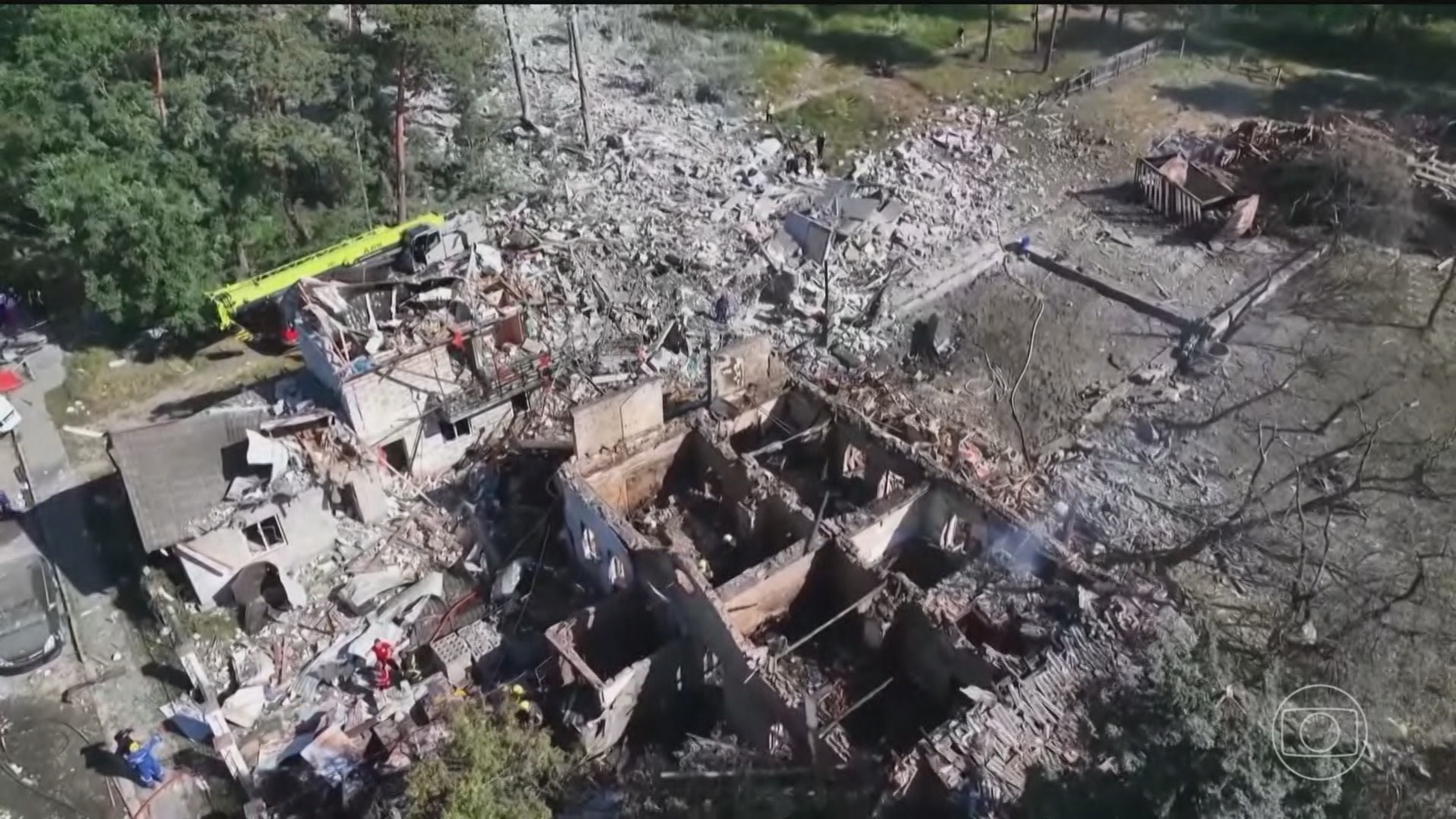
Russia conducted its most devastating attack on Ukraine's capital, Kyiv, since the start of the war, resulting in at least 27 deaths on Thursday, March 2nd. The early morning assault saw explosions illuminate the sky, with smoke clouds becoming visible as dawn broke over the Ukrainian capital. Aerial footage revealed widespread destruction, and emergency responders worked on the ground to search for survivors in residential buildings, recovering over 20 bodies. The Interior Minister reported that at least 20 buildings were hit, including the National Institute of Biochemistry, which a researcher described as a catastrophe for Ukrainian science, medicine, and biology. Kremlin spokesperson Dmitry Peskov claimed the attacks, which he termed retaliatory, exclusively targeted military objectives and vowed to increase pressure. This escalation follows Ukraine's recent intensified attacks on Russian energy facilities, exacerbating a fuel crisis in Russia, the world's third-largest oil producer, leading to rationing and long queues at gas stations even in Moscow. Ukraine's Air Force stated that Russia launched nearly 500 drones and over 70 missiles between Wednesday, March 1st, and Thursday, March 2nd, noting an exceptionally high number with a low interception rate. President Volodymyr Zelensky lamented that lives could have been saved if allies had fulfilled their promises of delivering air defense systems, specifically mentioning the need for interceptor missiles for the American Patriot system.
This event highlights the escalating destructive capacity and strategic implications of the ongoing conflict between Russia and Ukraine. The intensity of the attack, coupled with Ukraine's reported low interception rate due to missile shortages, underscores the critical role of sustained military aid and advanced air defense systems for Ukraine's security. Russia's justification of the strikes as 'retaliatory' and targeting 'military objectives' contrasts with the reported civilian casualties and widespread destruction, raising questions about adherence to international humanitarian law and the proportionality of force. The situation also reflects a dangerous feedback loop, where Ukrainian actions against Russian energy infrastructure are met with severe Russian responses, potentially leading to further civilian suffering and geopolitical instability. Looking ahead, the reliance on external military support for Ukraine's defense presents a systemic vulnerability, while Russia's continued pressure suggests a long-term strategy to degrade Ukrainian resilience and infrastructure.
AI-generated to prompt reflection — not editorial opinion, not advice, not a statement of fact. How this works.