Russia Launches New Missile and Drone Barrage on Kyiv, Killing at Least 9
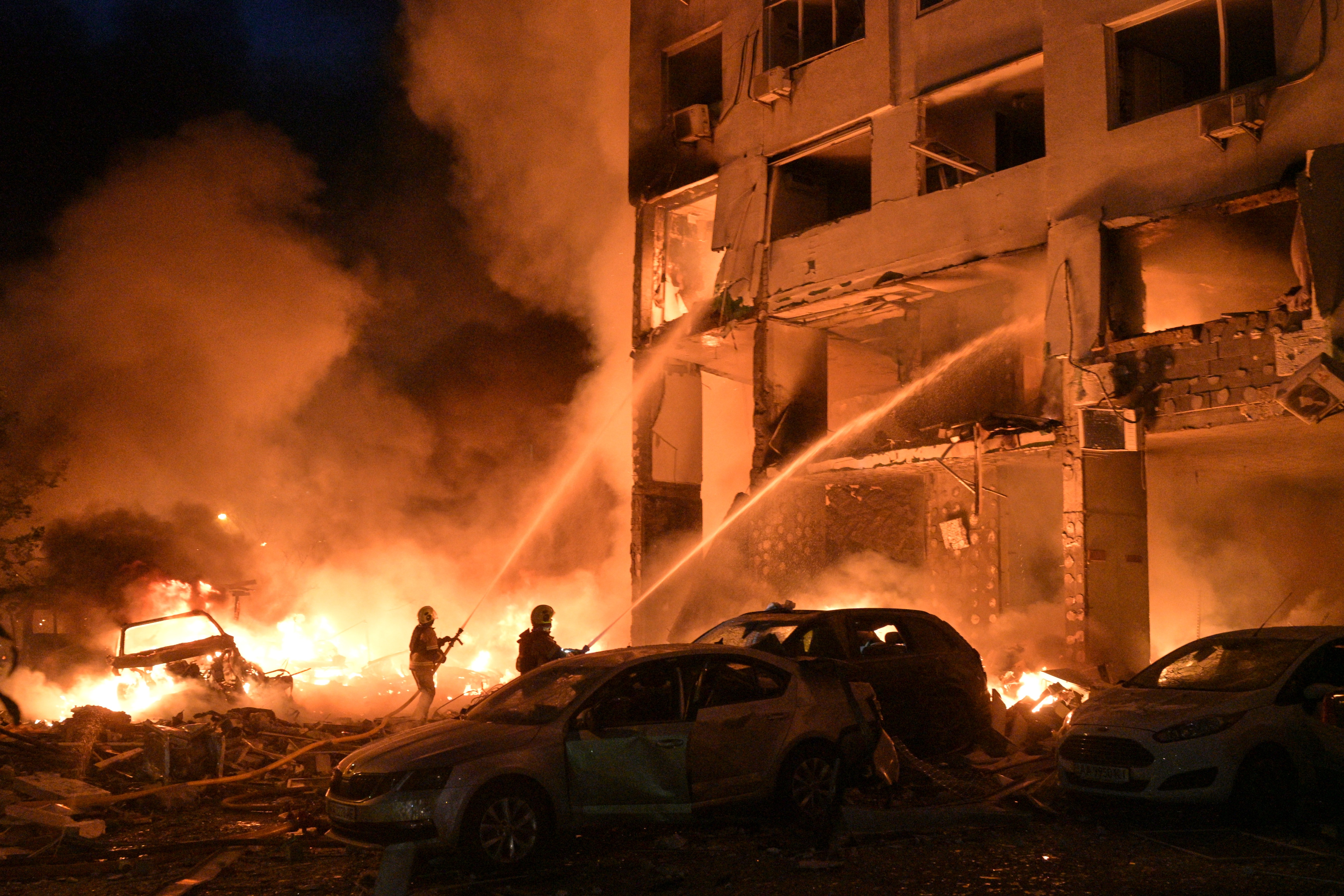
Kyiv experienced successive waves of Russian missile and drone attacks between Sunday night, July 5, and Monday morning, July 6, 2026, resulting in at least 9 fatalities and 24 injuries, according to local authorities. Tymur Tkachenko, head of the Kyiv City Military Administration, reported that a residential building in the Podilskyi district suffered partial collapse, while multiple apartment buildings in Darnytsia were damaged, with fears of civilians trapped under rubble. The attacks, which continued into Monday morning, involved ballistic and cruise missiles alongside drones, causing explosions throughout the city as residents sought shelter in metro stations. This latest assault follows Ukrainian President Volodymyr Zelensky's warning of an imminent large-scale attack and comes just days after a previous combined Russian attack on Kyiv last week that claimed at least 31 lives. President Zelensky reiterated his plea to Western partners for enhanced air defense, specifically requesting more Patriot missiles, arguing that a lack of replenishment encourages Russia to prolong the conflict, now entering its fourth year. The current bombardment intensifies the devastation in the Ukrainian capital, which had already endured the year's most violent attack four days prior on Thursday, July 2. That earlier offensive, lasting 11 hours, resulted in at least 20 deaths and 90 injuries, with Ukrainian air force data indicating a massive launch of 74 missiles and 496 drones that hit all 10 districts of Kyiv, causing severe fires and collapses in residential areas. Local authorities attributed the low interception rate of Russian ballistic missiles to a severe shortage of Patriot system missiles. This escalation against civilian infrastructure occurs amid Ukraine's own campaign of long-range drone strikes targeting Russian refineries and energy facilities.
The repeated, large-scale Russian aerial assaults on Kyiv, particularly targeting residential areas, underscore a strategic pattern of inflicting civilian cost and psychological pressure. This approach, while potentially aimed at degrading Ukrainian morale and infrastructure, also risks escalating international condemnation and potentially provoking more robust defensive responses. The Ukrainian appeals for advanced air defense systems like Patriots highlight a critical asymmetry in resources and a persistent challenge in maintaining adequate defensive capabilities against sophisticated and sustained attacks. The interplay between Russia's offensive actions and Ukraine's retaliatory strikes on Russian energy infrastructure suggests a widening of the conflict's scope, moving beyond direct military confrontation to encompass economic and logistical targets. This dynamic raises questions about the long-term sustainability of such strategies for both sides and the potential for unintended escalation in the coming years.
AI-generated to prompt reflection — not editorial opinion, not advice, not a statement of fact. How this works.