Russia Lifts Potato Import Ban on Punjab Exporters, Citing Phytosanitary Compliance
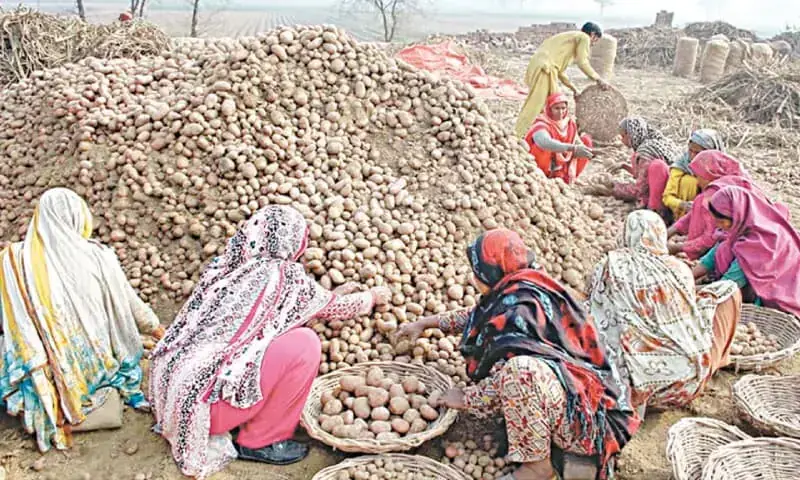
Russia has lifted its ban on potato imports from Pakistan's Punjab region, effective July 7, following a review of Pakistan's phytosanitary control system. This decision will allow 101 Pakistani exporters to resume shipments. The Russian Federal Service for Veterinary and Phytosanitary Surveillance communicated this decision to Pakistan's Ministry of National Food Security and Research, contingent on guarantees from Pakistan's Department of Plant Protection. However, two Pakistani exporters have been barred from exporting to Russia due to alleged violations of phytosanitary quarantine requirements while supplying potatoes in 2025. Previously, Russia had permitted imports from three specific Pakistani exporters starting April 8, identified as Chase International, Zahid Kinnow Grading and Waxing Plant, and National Fruit. Pakistan had engaged with Russian authorities in February, providing pest status records and lab reports to demonstrate the absence of identified pests and pathogens. The Trade Development Authority of Pakistan and PHDEC are facilitating B2B meetings to help exporters capitalize on this opportunity. Pakistan is experiencing a bumper potato crop this season, with an estimated production of 12 million metric tons, leaving a surplus of approximately 4 million metric tons for export. This new market access is expected to help absorb surplus produce, stabilize domestic prices, support farmers, and boost foreign exchange earnings. The initial ban was imposed in May 2025, citing concerns over Potato Tuber Moth and Tomato Wilt virus.
Russia's decision to lift import restrictions on Pakistani potatoes, while excluding two specific exporters, highlights the intricate balance between market access and regulatory compliance in international agricultural trade. The process underscores the importance of robust phytosanitary protocols and the potential for bilateral negotiations to resolve trade disputes. As Pakistan seeks to export its significant surplus crop, this development offers economic opportunities but also necessitates sustained adherence to international standards to maintain market access. The exclusion of certain exporters suggests a need for enhanced oversight and potentially a review of supply chain practices to ensure compliance with Eurasian Economic Union phytosanitary requirements, thereby mitigating future disruptions and fostering long-term trade relationships.
AI-generated to prompt reflection — not editorial opinion, not advice, not a statement of fact. How this works.