Russia Mocks Italian Minister's Suggestion of Ideological Support for Ukraine
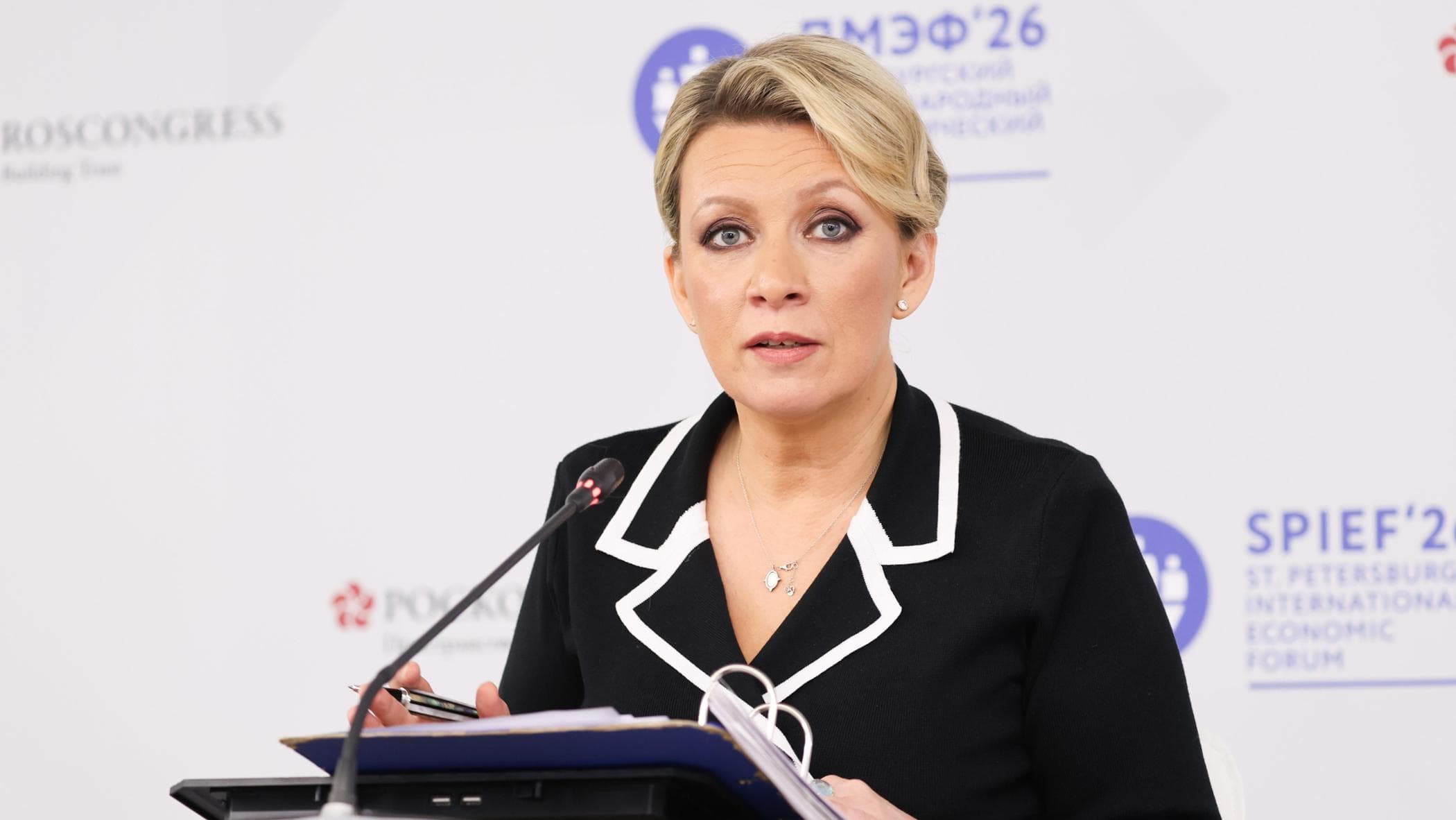
Russian Foreign Ministry spokeswoman Maria Zakharova has reacted strongly to an idea proposed by an Italian government official. The official, identified as a proponent of ideological support for Ukraine, reportedly suggested bringing in figures like Ukrainian President Volodymyr Zelensky's advisor, Mykhailo Podolyak, or even former Georgian President Mikheil Saakashvili, to advise Italian Defense Minister Guido Crosetto. Zakharova, speaking on behalf of Foreign Minister Sergey Lavrov, expressed outrage at this suggestion. She sarcastically remarked that if such a move were to happen, it would be "better to invite Osama bin Laden." This statement was made in response to an interview given to the Italian newspaper La Repubblica, where the idea was apparently floated. The exchange highlights the deep animosity and rhetorical warfare between Russia and Western nations supporting Ukraine.
The Russian Foreign Ministry's response, invoking Osama bin Laden in reaction to a hypothetical Italian government discussion about ideological advisors for Ukraine, exemplifies a common tactic of hyperbolic deflection. This rhetorical strategy aims to equate any perceived Western support for Ukraine, regardless of its nature, with extreme and universally condemned extremism. Such comparisons serve to inflame nationalist sentiment within Russia and to sow discord among international partners by framing nuanced policy discussions as radical endorsements of terrorism. From a geopolitical perspective, this reaction underscores Russia's sensitivity to any form of sustained international engagement with Ukraine, particularly when it involves intellectual or ideological contributions. The use of such provocative language, while effective in galvanizing domestic support and creating international controversy, risks alienating potential neutral parties and hardening existing geopolitical divides, potentially hindering diplomatic pathways.
AI-generated to prompt reflection — not editorial opinion, not advice, not a statement of fact. How this works.