Russia: Mutiny Calls Persist in Military Three Years After Prigozhin
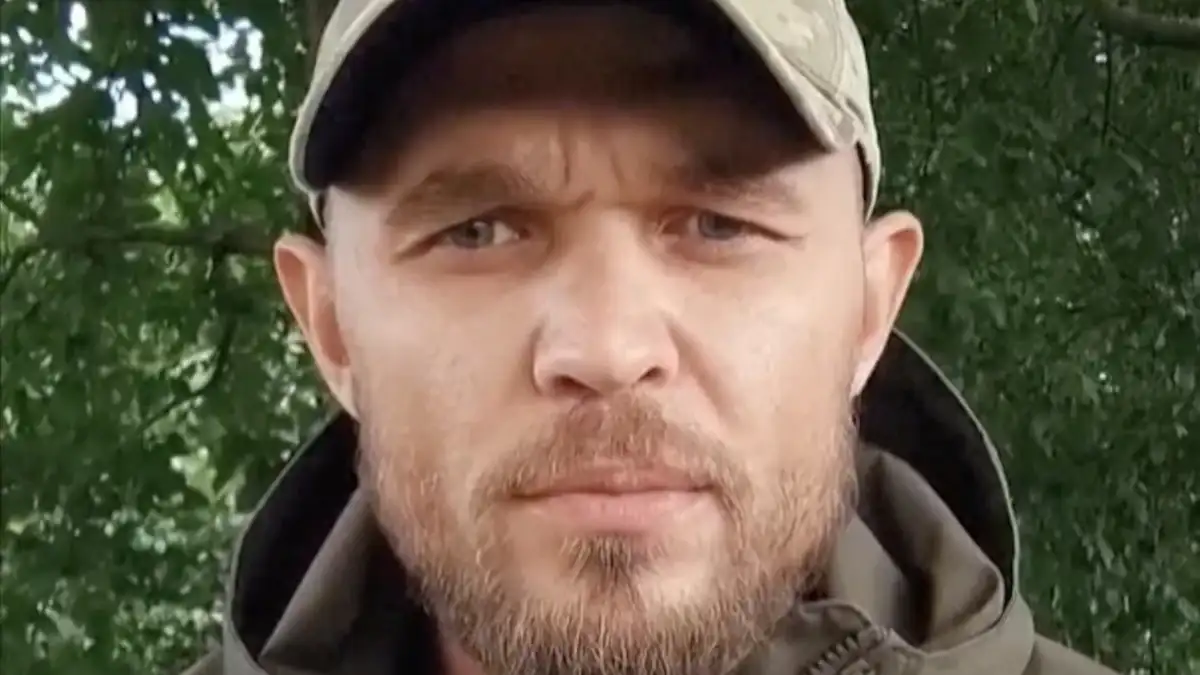
Three years after the Wagner Group's armed march on Moscow, new threats of mutiny within the Russian army highlight an ongoing rift between frontline soldiers and military leadership. Alexandre Lunin, a former frontline soldier from the Voronezh region, has issued an ultimatum to the General Staff. He is demanding specific actions, threatening a general mutiny if his conditions are not met. This incident underscores the persistent internal tensions within Russia's armed forces, echoing the challenges posed by the Wagner rebellion in June 2023. The continued presence of such dissent suggests that the underlying issues that fueled previous unrest have not been fully resolved. The military hierarchy faces the challenge of addressing soldier grievances to maintain cohesion and operational effectiveness. The situation in the Voronezh region, as articulated by Lunin, serves as a potential flashpoint for broader discontent. The Russian military command must navigate these internal pressures carefully to prevent further destabilization. The persistence of these calls for mutiny indicates a deep-seated dissatisfaction that could have significant implications for military operations and national security.
The recurring calls for mutiny in the Russian military, three years after the Wagner Group's actions, suggest systemic issues in military governance and personnel management. The persistent gap between frontline troop grievances and the high command's directives indicates a potential disconnect in communication and a failure to address core welfare and operational concerns effectively. Such internal friction can undermine military effectiveness and strategic cohesion, particularly in prolonged or challenging operational environments. Addressing these underlying structural issues, rather than solely focusing on suppressing dissent, is crucial for long-term stability and morale within the armed forces. The future effectiveness of the Russian military may hinge on its ability to foster trust and responsiveness between its leadership and its soldiers, adapting to the evolving demands of modern warfare and the expectations of its personnel.
AI-generated to prompt reflection — not editorial opinion, not advice, not a statement of fact. How this works.