Russia Offers Urea Fertilizer to Bangladesh at $10/Ton Discount
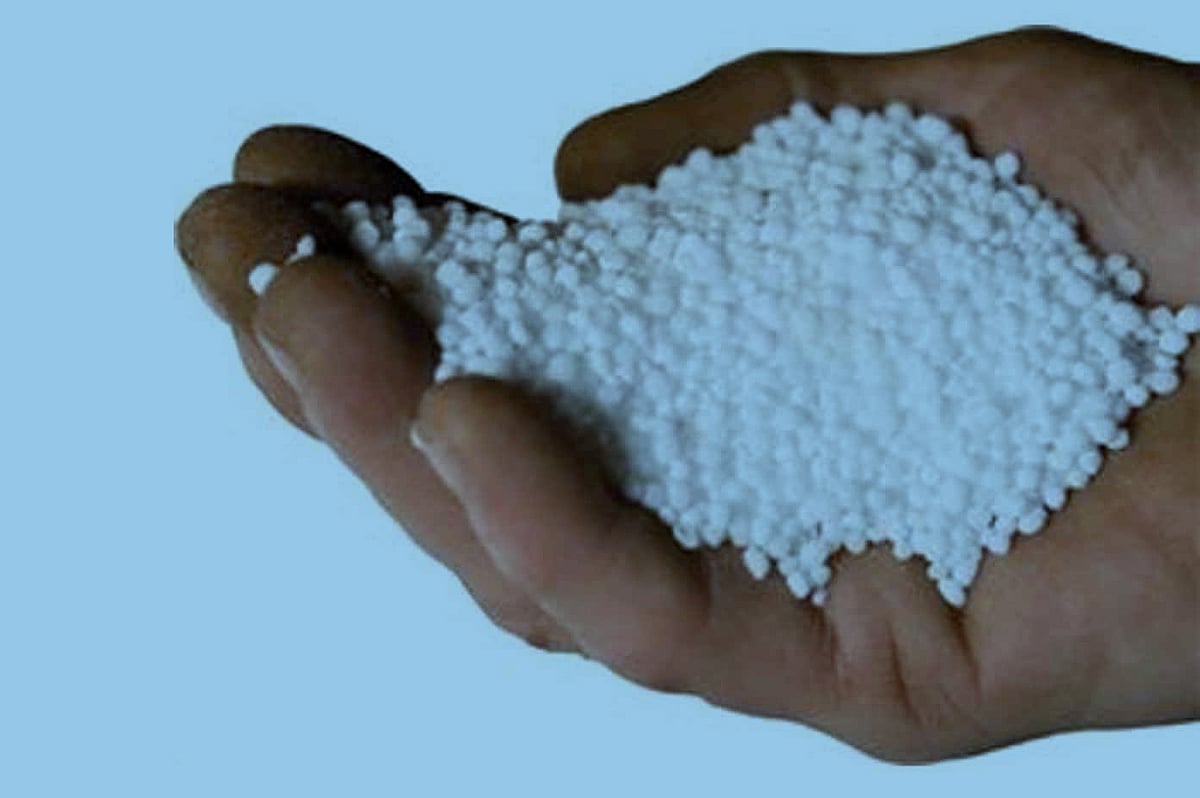
Russia has expressed its willingness to supply approximately 280,000 tons of urea fertilizer to Bangladesh on a government-to-government (G2G) basis through JSC FEC Prodintorg, for the Bangladesh Chemical Industries Corporation (BCIC). The offer comes with a price reduction of $10 per ton compared to international market rates, aiming to bolster Bangladesh's food security and expand bilateral trade. This proposal was discussed during a meeting between a Russian delegation, led by acting Ambassador Vyacheslav Senturin, and Bangladesh's Minister of Commerce, Industry, Textiles, and Jute, Khondaker Abdul Moktadir, at the Ministry of Commerce. The meeting also included discussions on agricultural cooperation, fertilizer supply, and enhancing G2G trade. The Ministry of Commerce anticipates that this collaboration will ensure a reliable fertilizer supply while reducing import costs for Bangladesh. Additionally, discussions covered increasing cooperation in supplying essential commodities between the Trading Corporation of Bangladesh (TCB) and Russia's JSC FEC Prodintorg under an existing Memorandum of Understanding (MoU). Russia also indicated interest in supplying other food products like sunflower oil, yellow peas, chickpeas, red lentils, and green lentils, pledging continued support for Bangladesh's food security and market stability. The Commerce Minister welcomed Russia's interest in trade expansion and expressed commitment to increasing trade, investment, and economic cooperation based on mutual benefit. Both sides agreed to maintain regular communication to strengthen bilateral trade, investment, and economic partnership.
Russia's offer to supply urea fertilizer at a discounted rate presents Bangladesh with an opportunity to stabilize its agricultural inputs and potentially reduce import expenditures. This initiative aligns with broader geopolitical efforts by Russia to strengthen economic ties with developing nations, potentially leveraging resource diplomacy to foster goodwill and secure favorable trade relationships. For Bangladesh, diversifying fertilizer sources and securing predictable supply chains is crucial for maintaining agricultural productivity and food security, especially in light of global supply chain volatilities. The proposed G2G mechanism bypasses typical market intermediaries, potentially offering greater price transparency and reliability, though it also concentrates supply dependency. Future considerations should include the long-term sustainability of such price agreements and their impact on domestic fertilizer production incentives within Bangladesh, as well as the broader implications for international fertilizer market dynamics.
AI-generated to prompt reflection — not editorial opinion, not advice, not a statement of fact. How this works.