Russia Recruits Arsonists for Attacks on Administrative Buildings in Zaporizhzhia
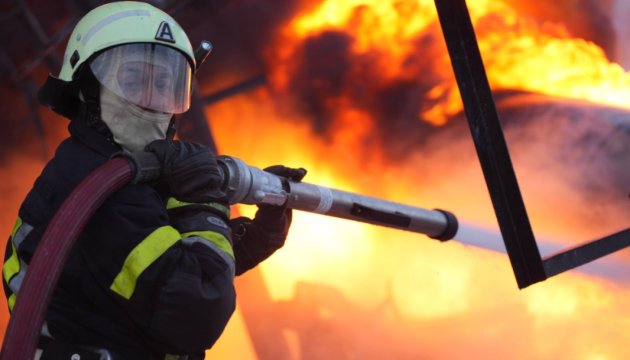
In the Oleksandrivskyi district of Zaporizhzhia, Ukraine, five arson attacks targeting administrative buildings occurred over a nine-day period. Investigations revealed that the individuals responsible for these acts were recruited by Russian special services. The recruitment process was conducted through social media platforms, indicating a coordinated effort by Russian intelligence to destabilize the region. The specific administrative buildings targeted have not been detailed, but the pattern of attacks suggests a deliberate strategy. Ukrainian authorities are actively investigating the extent of the network involved and the full scope of Russian interference. This incident highlights the ongoing tactics employed by Russia to disrupt Ukrainian infrastructure and governance through covert operations. The use of social media for recruitment is a modern approach to facilitating such attacks, making them harder to trace initially. Authorities are working to identify all individuals involved and to prevent future incidents.
The reported arson attacks in Zaporizhzhia, allegedly orchestrated by Russian special services via social media recruitment, represent a tactic of asymmetric warfare aimed at disrupting civilian administration and sowing discord. This method leverages digital platforms for recruitment, presenting a challenge for conventional security measures due to the potential for anonymity and rapid dissemination of instructions. The incidents underscore the evolving landscape of state-sponsored destabilization efforts, which increasingly incorporate cyber and social engineering techniques alongside physical actions. From a systems perspective, such actions exploit societal vulnerabilities and can strain local governance resources, potentially diverting attention from other critical functions. Future security strategies may need to focus more on proactive digital threat intelligence and community resilience programs to counter such externally influenced disruptions.
AI-generated to prompt reflection — not editorial opinion, not advice, not a statement of fact. How this works.