Russia Recruits Students for Drone Units Amidst Rising War Casualties
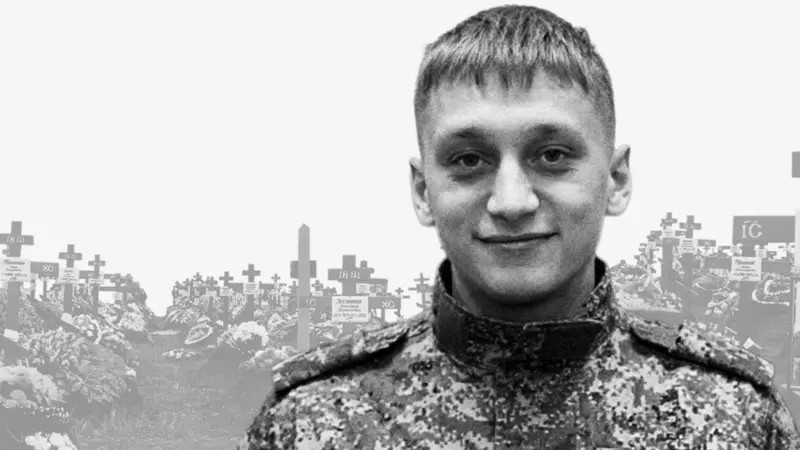
Russia is actively recruiting students from universities and vocational schools to join its drone units, a strategy seemingly aimed at replenishing significant war casualties in Ukraine. Valery Averin, 23, is among the first confirmed student deaths after enlisting in a new large-scale campaign. His adoptive mother described his deployment to a frontal assault despite only three months of drone training. The recruitment drive, launched early this year, targets students facing academic difficulties or considering study breaks, presenting drone operations as an elite, technologically advanced role. Vladislav Gorbunov, 18, and Rakhim Abdullin, 18, also died shortly after signing one-year contracts, initially assigned to infantry or aspiring to drone operation roles respectively. These three are part of an estimated 230,407 Russian military deaths confirmed by BBC analysis, with actual figures potentially much higher, possibly reaching over 500,000 according to UK intelligence. The recruitment program offers a one-year contract specifically for "unmanned systems troops," promising high pay and valuable technical skills. However, human rights advocates warn that these contract terms may not be legally binding, as military service can extend beyond 12 months due to ongoing mobilization. Despite claims of drone operation being safer, these units have become high-value targets, with at least 920 Russian drone operators confirmed dead. Students may also be reassigned to other units if deemed unsuitable for drone service, and some face pressure to enlist, particularly those at risk of expulsion or academic leave.
Russia's recruitment of students into drone units highlights a strategic response to mounting personnel losses in the protracted conflict. The initiative frames drone operation as a technologically advanced and relatively safe alternative to conventional infantry roles, offering incentives like short-term contracts and financial rewards. However, this framing potentially masks significant risks, including the high-value targeting of drone operators and the legal ambiguity surrounding contract durations post-mobilization. The tactic raises systemic questions about military recruitment in an era of advanced warfare, where technological specialization is paramount but also creates new vulnerabilities. It also underscores the challenge of sustaining long-term military operations by drawing on a younger demographic, potentially impacting future educational and economic development. The emphasis on specialized roles like drone operation reflects a broader trend of technological integration in warfare, necessitating a continuous adaptation of recruitment and training strategies.
AI-generated to prompt reflection — not editorial opinion, not advice, not a statement of fact. How this works.