Russia Redeploys Air Defense from Far North to Counter Ukrainian Drone Attacks
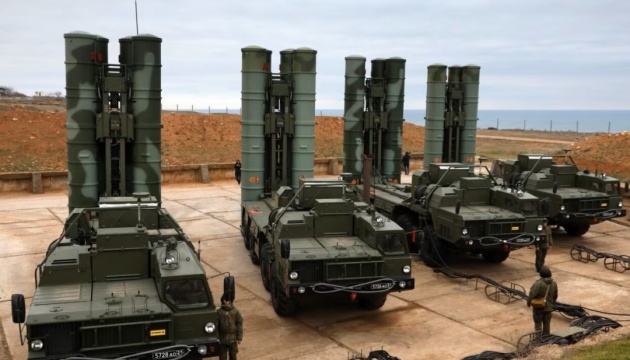
Key military installations in Russia's far north may now have significantly reduced air defense capabilities. This comes as the Kremlin is reportedly relocating its air defense systems to protect regions that are increasingly targeted by Ukrainian drone strikes. The move suggests a strategic shift in Russia's defensive posture, prioritizing areas perceived as more vulnerable to Ukrainian aerial incursions. The redeployment indicates a growing concern within Russia about the effectiveness and reach of Ukraine's drone warfare capabilities. This action could potentially create vulnerabilities in previously secure areas of the Russian Federation. The specific number of air defense systems moved or the exact locations of their redeployment have not been disclosed. However, the implication is that Russia is prioritizing its response to immediate threats over maintaining comprehensive coverage across all its territories. This situation highlights the evolving nature of the conflict and the increasing pressure on Russian defenses.
The reported redeployment of Russian air defense systems from its far northern regions to counter Ukrainian drone attacks suggests a dynamic response to evolving battlefield threats. This strategic reallocation indicates that Russia perceives a higher immediate risk from Ukrainian drone operations in certain areas than from potential threats in the far north. The move highlights the growing effectiveness of asymmetric warfare tactics, such as drone strikes, in challenging the defensive capabilities of larger military powers. This situation may compel Russia to reassess its long-term defense strategy, potentially leading to increased investment in domestic air defense production or the development of new countermeasures. The decision also presents a potential strategic dilemma: balancing the need to defend against current drone threats with maintaining security in other, less immediately threatened, regions. Over the next decade, such tactical adaptations will likely become more common as drone technology proliferates, forcing military powers to continually innovate their defensive and offensive strategies.
AI-generated to prompt reflection — not editorial opinion, not advice, not a statement of fact. How this works.