Russia Replaces Toys with Weapons: Indoctrinating Ukrainian Children on Occupied Territories
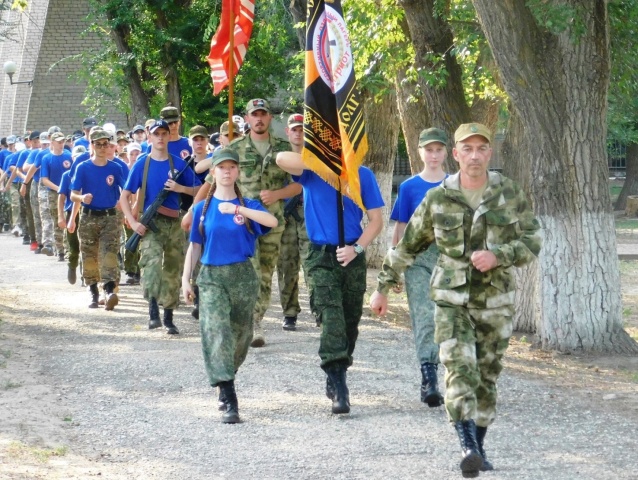
Approximately 1.6 million young Ukrainians are reportedly subjected to "brainwashing" and propaganda by Russia in occupied territories. This information comes from a report by independent experts commissioned by the Organization for Security and Co-operation in Europe (OSCE), as reported by AFP on Thursday. The experts suggest that the indoctrination and militarization of children by Russian authorities in these occupied Ukrainian regions could constitute a crime against humanity. The report highlights a concerning trend where educational and societal structures are being repurposed to instill pro-Russian sentiment and military values in young minds. This process aims to reshape the identity and future allegiances of the affected children, potentially impacting intergenerational relations and the long-term stability of the region. The OSCE-appointed experts have documented various methods employed, focusing on the systematic alteration of curricula and the promotion of military-themed activities. The findings underscore the profound and potentially irreversible effects of such policies on a vulnerable population.
The reported actions by Russian authorities in occupied Ukrainian territories, involving the indoctrination and militarization of approximately 1.6 million children, raise significant concerns regarding international humanitarian law and child welfare. The OSCE-appointed experts' assessment that this could constitute a crime against humanity warrants careful consideration of the long-term implications for societal development and reconciliation. Such systematic efforts to reshape the worldview of young populations, particularly through propaganda and military training, can create deep-seated divisions and hinder future peacebuilding initiatives. From a systemic perspective, the weaponization of education and childhood development represents a profound challenge to the principles of peaceful coexistence and the protection of civilian populations during conflict. The international community faces the imperative to monitor these developments closely and uphold established norms for the protection of children's rights and psychological well-being, even amidst geopolitical tensions.
AI-generated to prompt reflection — not editorial opinion, not advice, not a statement of fact. How this works.