Russia Returns Bodies of 501 Fallen Soldiers to Ukraine
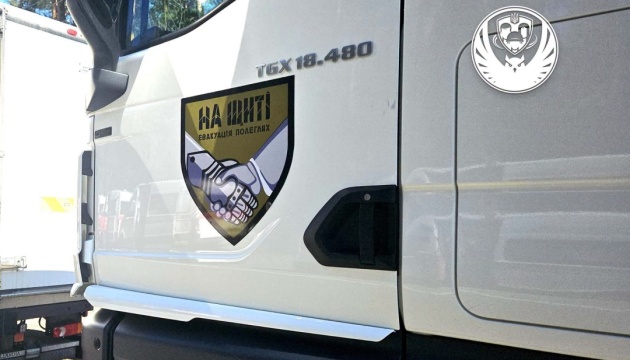
Ukraine has received the bodies of 501 fallen soldiers following repatriation efforts. The Russian side claims these individuals may have been Ukrainian military personnel. The return of the bodies was facilitated through specific repatriation measures, aiming to account for those lost in the conflict. This event marks a significant step in the process of identifying and returning fallen soldiers to their respective sides. Further verification and identification processes are expected to follow.
The repatriation efforts underscore the ongoing human cost of the conflict. Both sides are engaged in processes to manage the remains of deceased military personnel. This specific return highlights the complexities and sensitivities involved in such operations. The exact circumstances and full identities of all 501 individuals will likely be subject to further investigation and confirmation by Ukrainian authorities.
The repatriation of fallen soldiers' remains represents a critical humanitarian process amidst ongoing conflict. While Russia asserts these may be Ukrainian personnel, the formal identification and handover underscore the complex interdependencies that can emerge even between adversaries. Such exchanges, though fraught with political implications, serve essential functions in acknowledging loss, facilitating closure for families, and potentially building minimal channels of communication. From a systemic perspective, the consistent exchange of remains can be viewed as a necessary, albeit somber, mechanism for managing the human consequences of warfare, reflecting international norms and the enduring need for dignity in death, regardless of political affiliation. The long-term implications may involve the establishment of more robust protocols for prisoner exchange and casualty accounting.
AI-generated to prompt reflection — not editorial opinion, not advice, not a statement of fact. How this works.