Russia's Diesel Export Ban Intensifies Global Energy Market Strain
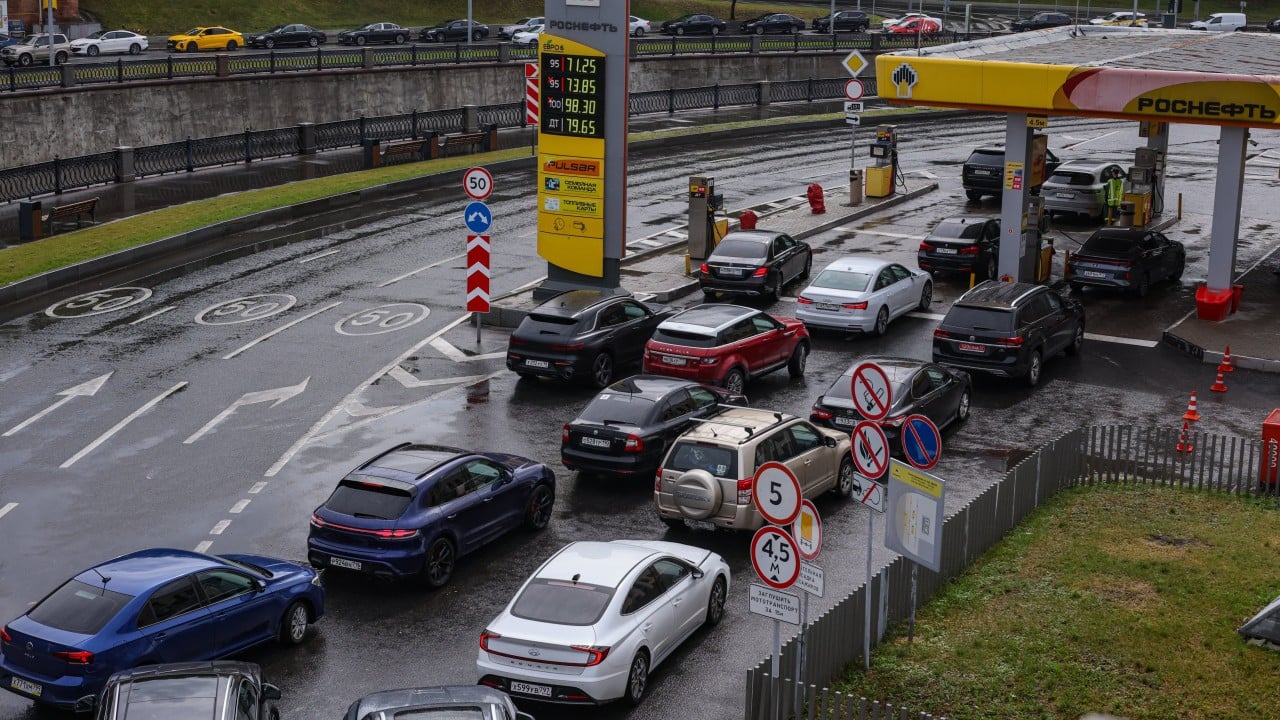
Russia's recent decision to ban diesel exports has significantly disrupted global energy markets, worsening existing fuel shortages and driving up prices. This impact is felt even in nations that do not directly import diesel from Russia. Diesel represents the largest portion of global oil consumption, and its price fluctuations have far-reaching consequences for the global economy due to its extensive use in industrial machinery, agricultural equipment, heavy transportation, and electricity generation. The market has been experiencing tight supply conditions for several years.
Russia's temporary ban on diesel exports highlights the significant leverage that major energy producers can exert on global markets. This action, while potentially aimed at stabilizing domestic supply or influencing international energy policy, underscores the vulnerability of economies reliant on specific fuel sources. The ripple effect on prices, even for non-importing nations, demonstrates the interconnectedness of global energy supply chains and the challenges in achieving energy security. This event prompts consideration of diversification strategies and the long-term implications of geopolitical decisions on energy infrastructure and economic stability, particularly as the world transitions towards new energy paradigms.
AI-generated to prompt reflection — not editorial opinion, not advice, not a statement of fact. How this works.