Russia's Duma Eyes Financial Exclusion for Citizens Abroad Evading Prosecution
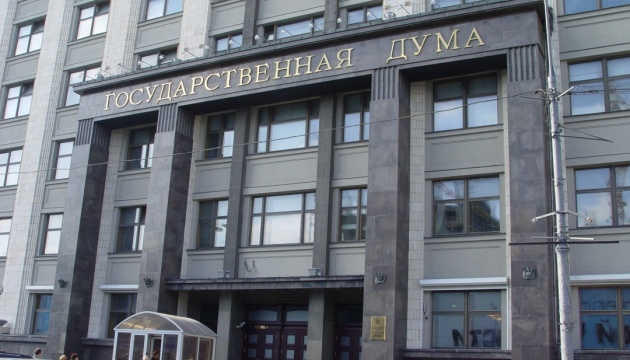
The State Duma of the Russian Federation is preparing to adopt a package of legislative proposals aimed at effectively excluding citizens residing abroad who are evading legal accountability from the country's financial and property systems. This move signals a significant escalation in the government's efforts to exert control over individuals who have left Russia and are considered to be avoiding prosecution. The proposed legislation seeks to sever financial ties and deny access to property for these individuals, effectively isolating them from the Russian economic sphere. This development suggests a hardening stance by the Russian authorities towards citizens perceived as fugitives or those who have left the country under duress or to avoid legal repercussions. The measures appear designed to increase pressure on such individuals, potentially compelling them to return or face complete economic disenfranchisement.
The proposed Russian legislation to financially and materially exclude citizens abroad who evade prosecution represents a significant expansion of state control over its diaspora. This policy shift appears to leverage economic instruments as a tool for enforcing legal compliance and asserting jurisdiction beyond national borders. From a systems perspective, such measures could create complex challenges for international financial institutions and raise questions about due process and individual rights in a globalized context. The long-term implications may involve increased friction in international relations and potential capital flight, as citizens seek greater security and predictability in jurisdictions less susceptible to extraterritorial legal pressures. This approach highlights a growing trend of states utilizing financial and digital infrastructure to monitor and influence the behavior of their citizens, even when they are geographically distant.
AI-generated to prompt reflection — not editorial opinion, not advice, not a statement of fact. How this works.