Russia's Energy War with Ukraine Reaching Critical Juncture
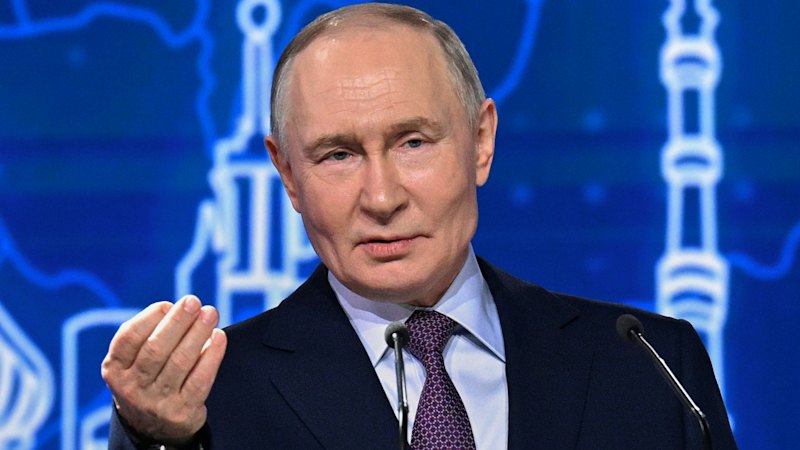
Russia appears to be rapidly losing its energy war against Ukraine, a conflict that has significant implications for both nations and the broader global energy landscape. The situation has become so pronounced that even former U.S. President Donald Trump has reportedly expressed boredom with Russian President Vladimir Putin's actions. This suggests a growing weariness or perceived futility surrounding Russia's ongoing strategies and their effectiveness. The energy war, a critical component of the broader conflict, involves various tactics aimed at disrupting energy supplies and markets. Russia's diminishing capacity or success in this domain could indicate a strategic miscalculation or a shift in the power dynamics between the two countries. The international community is closely watching these developments, as disruptions in energy markets can have far-reaching economic and geopolitical consequences. The perceived failure in this energy-focused aspect of the conflict may signal deeper challenges for Russia's overall war effort and its international standing.
The narrative suggests Russia's energy war strategy is faltering, potentially due to unsustainable costs or diminishing returns. This could reflect broader economic pressures on Russia, impacting its capacity to sustain prolonged conflicts. The mention of Donald Trump's alleged boredom highlights a potential international perception of futility or a lack of strategic progress from Russia's perspective. From a systemic viewpoint, prolonged resource-intensive conflicts often strain national economies, forcing a re-evaluation of strategic objectives and resource allocation. Future geopolitical stability may depend on how nations manage the economic fallout of such conflicts and adapt their energy policies in response to global market shifts and technological advancements.
AI-generated to prompt reflection — not editorial opinion, not advice, not a statement of fact. How this works.