Russia's Fuel Shortage: Could it Force a Shift in Putin's Ukraine Strategy?
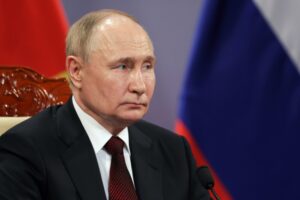
A growing fuel shortage is becoming one of the most tangible consequences of the war in Russia, a reality that authorities have long sought to shield citizens from. Visible even in Moscow, the crisis manifests as long queues at gas stations, stations running dry, and increasing anxiety among drivers. This economic pressure raises questions about whether it could force a change in President Vladimir Putin's tactical approach to the ongoing conflict in Ukraine. The situation suggests that the war's impact is no longer confined to distant battlefields but is now directly affecting the daily lives and economic stability of Russians. The government's efforts to downplay the war's domestic effects appear to be failing as the fuel scarcity becomes undeniable. This development could potentially influence public opinion and create internal challenges for the Kremlin, possibly compelling a reassessment of its military objectives or operational strategies. The extent to which this economic strain will alter Russia's wartime policies remains to be seen, but it represents a significant domestic consequence of the prolonged conflict.
The reported fuel shortages within Russia, if sustained, could introduce a significant variable into the Kremlin's strategic calculus regarding the Ukraine conflict. Economic pressures, particularly those impacting daily life and mobility, have historically been potent catalysts for shifts in public sentiment and government policy. The challenge for the Russian government will be to manage domestic discontent while maintaining its military objectives abroad. This situation highlights the interconnectedness of economic stability and geopolitical ambition, suggesting that prolonged resource strain could necessitate a re-evaluation of long-term strategic goals. The coming months will reveal whether these internal economic challenges translate into a tangible alteration of Russia's approach in Ukraine.
AI-generated to prompt reflection — not editorial opinion, not advice, not a statement of fact. How this works.