Russia's gasoline shortage impacts Central Asia
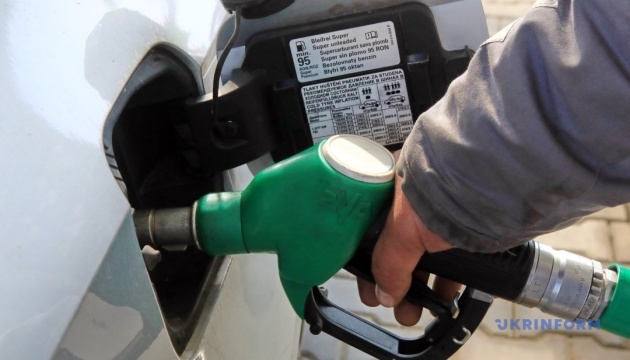
Russia is experiencing a gasoline supply crisis that is beginning to affect Central Asian countries. These nations have long relied on imported gasoline from Russia due to insufficient domestic fuel production. The current shortage in Russia is therefore creating supply disruptions for its neighbors. This situation highlights the deep dependence of Central Asian economies on Russian energy imports. As the crisis unfolds, these countries may face challenges in securing adequate fuel supplies for their own needs. The ripple effect of Russia's internal fuel issues underscores the vulnerability of regions heavily reliant on a single major supplier. Further implications for transportation, agriculture, and overall economic stability in Central Asia are anticipated.
The reported gasoline shortage in Russia and its spillover into Central Asia illustrates the systemic risks inherent in concentrated energy supply chains. Countries in Central Asia, long dependent on Russian imports due to limited domestic refining capacity, are now exposed to the volatility of Russia's internal market dynamics. This situation prompts a re-evaluation of energy security strategies, encouraging diversification of supply sources and investment in domestic production capabilities to mitigate future vulnerabilities. The interconnectedness of regional energy markets suggests that disruptions in one major producer can have cascading effects, necessitating proactive measures to ensure economic stability and operational continuity across affected nations.
AI-generated to prompt reflection — not editorial opinion, not advice, not a statement of fact. How this works.