Russia's Largest Oil Refinery Stops Processing After Ukrainian Drone Strike
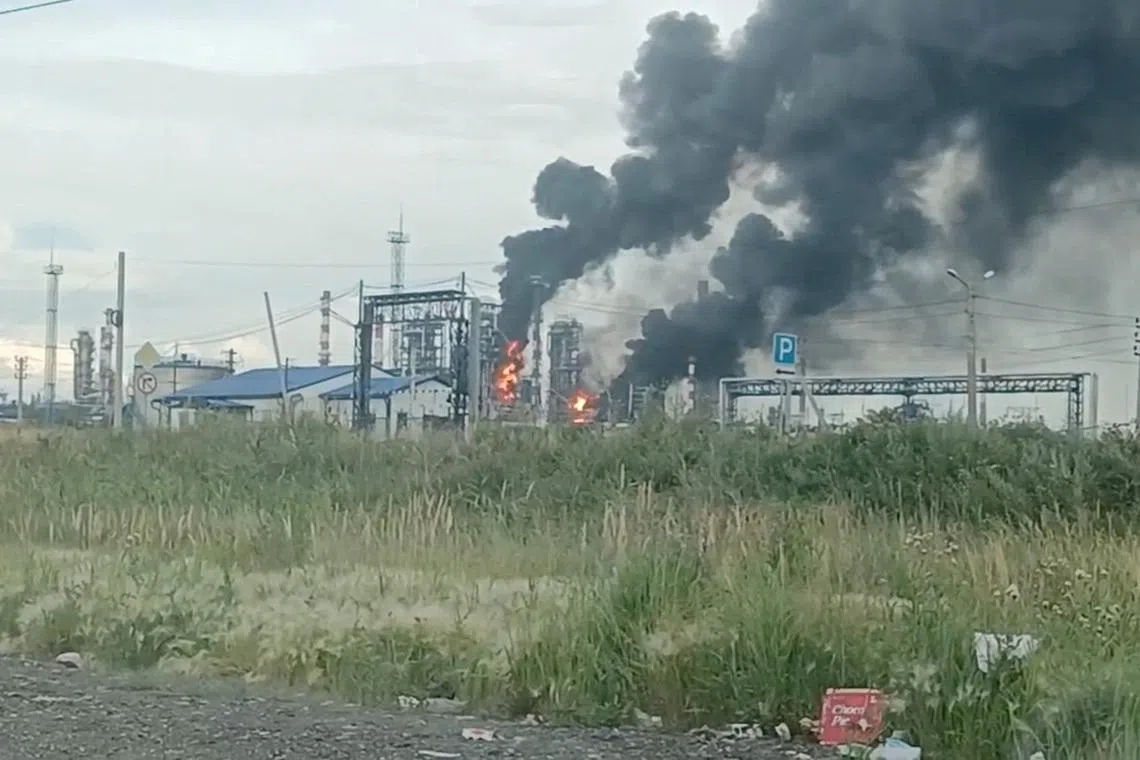
Russia's largest oil refinery has ceased its processing operations following an attack by Ukrainian drones. Sources indicate that the disruption at the plant is expected to worsen existing fuel shortages within Russia. The specific refinery involved has not been named, but its significant capacity suggests a substantial impact on domestic fuel supply. This incident highlights the ongoing strategic targeting of Russia's energy infrastructure by Ukraine. The halt in processing will likely lead to reduced availability of refined petroleum products, potentially affecting transportation, industry, and consumer markets across the country. The duration of the shutdown is currently unknown, but any extended interruption could have considerable economic repercussions. Russia has been increasingly reliant on its domestic refining capacity to meet energy demands, making such attacks particularly impactful. The government may need to implement measures to mitigate the effects of the refinery's downtime, such as increasing imports or reallocating existing stocks. The situation underscores the vulnerability of critical infrastructure to drone warfare.
The reported halt in operations at Russia's largest oil refinery, attributed to a Ukrainian drone attack, represents a significant development in the ongoing conflict's impact on energy markets. This event underscores the strategic importance of energy infrastructure as a target and the evolving capabilities of drone warfare. From an economic perspective, disruptions to refining capacity can lead to domestic price volatility and supply chain challenges, potentially exacerbating existing inflationary pressures or creating new ones. The incident prompts consideration of Russia's energy security strategy and its resilience against asymmetric threats. Looking ahead, the increasing sophistication and deployment of drone technology in conflict zones suggest that critical infrastructure, globally, may face heightened risks, necessitating adaptive security measures and contingency planning.
AI-generated to prompt reflection — not editorial opinion, not advice, not a statement of fact. How this works.