Russia's New Il-114-300 Turboprop Grounded by Temperature Limits
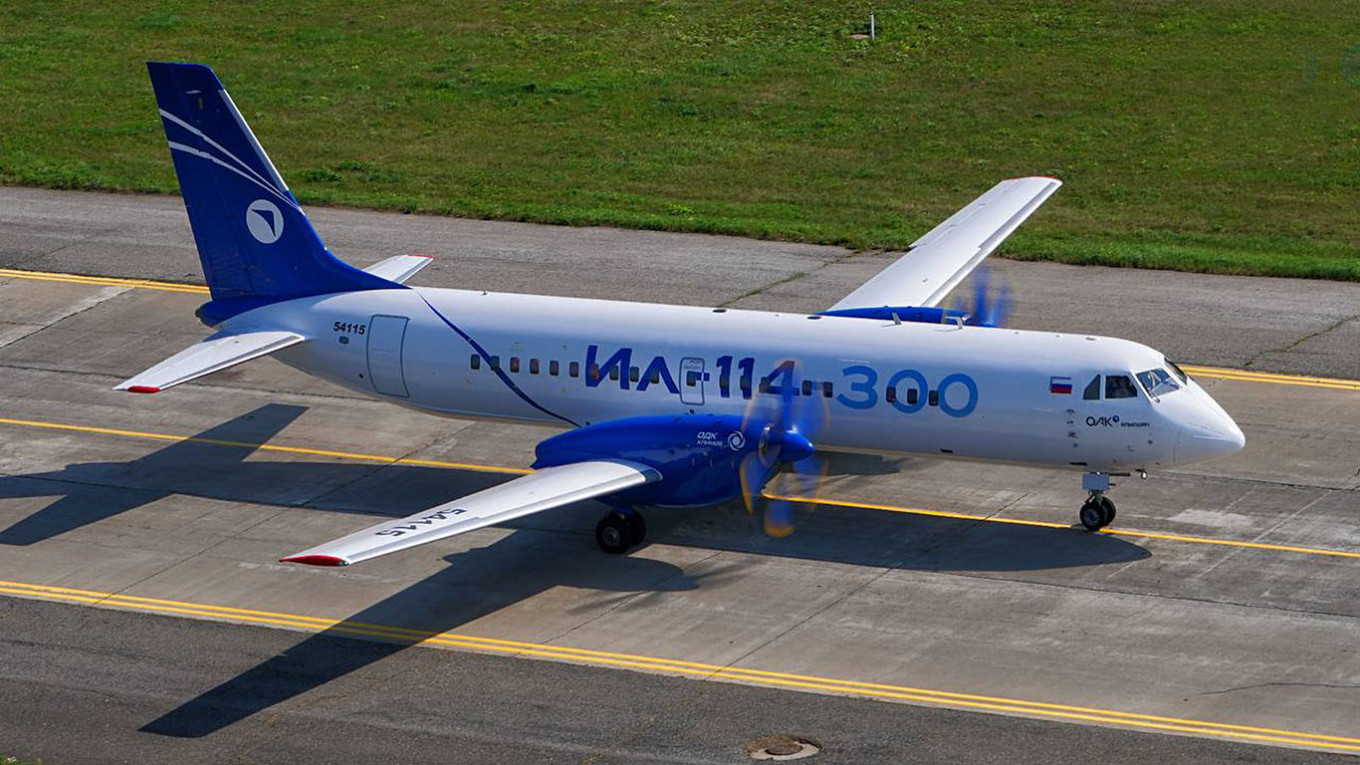
Russia's new Il-114-300 turboprop aircraft, intended to replace foreign planes on regional routes and in the Russian Arctic, faces significant operational limitations. The aircraft has been restricted from flying outside a narrow temperature range of -9 to +25 degrees Celsius. This limitation raises concerns about its suitability for the diverse climatic conditions across Russia, particularly in its vast Arctic regions which experience extreme cold. The development of this aircraft was aimed at fostering domestic aviation capabilities and reducing reliance on foreign-made planes. However, its inability to withstand wider temperature fluctuations could hinder its intended deployment and effectiveness in serving remote areas.
The operational constraints on the Il-114-300, specifically its sensitivity to temperature extremes, highlight potential challenges in achieving technological self-sufficiency in aviation. While designed to replace foreign aircraft, its performance limitations suggest that the development process may not have fully accounted for the rigorous environmental demands of Russia's diverse geography, including its Arctic territories. This situation underscores the complex interplay between national industrial ambitions, engineering realities, and the practicalities of operating in extreme climates. Future iterations or alternative strategies will need to address these environmental resilience gaps to ensure the aircraft's viability and fulfill its intended role in regional connectivity.
AI-generated to prompt reflection — not editorial opinion, not advice, not a statement of fact. How this works.