Russia's New Missile Exploits Western Components, Bypassing Ukrainian Defenses
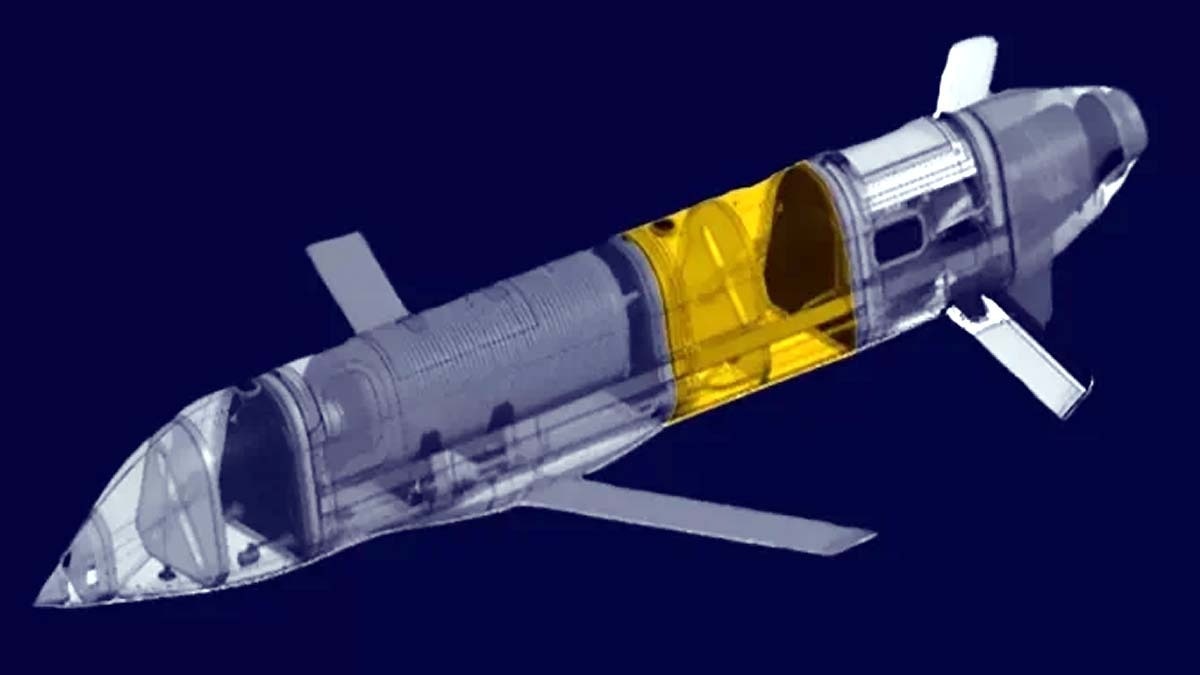
Russia has developed a new missile that is proving highly effective against foreign defense systems deployed in Ukraine. The missile's success stems from its incorporation of components sourced from the United States, Europe, and other countries. This strategic use of Western parts has created significant challenges for Ukraine and its international partners who are now facing difficulties in countering the advanced weaponry. The situation has left Ukraine's allies concerned about the effectiveness of their supplied defense systems and the implications of Russian technological advancements. The ability of Russia to integrate foreign components suggests a sophisticated supply chain and a potential vulnerability in the export controls of Western nations. This development raises questions about the long-term efficacy of sanctions and export restrictions aimed at hindering Russia's military capabilities. Ukraine continues to rely on its allies for advanced weaponry, but the effectiveness of these systems is now under scrutiny.
The reported integration of Western components into Russian missiles highlights a complex interplay between globalized supply chains and geopolitical conflict. This situation underscores the challenges in enforcing export controls on dual-use technologies, as components can be sourced through various intermediaries and indirect channels. The effectiveness of such missiles, if confirmed, suggests that Russia may be adept at circumventing international restrictions, potentially by leveraging third-party suppliers or exploiting loopholes. This necessitates a re-evaluation of current export control strategies, focusing on comprehensive oversight of the entire supply chain and enhanced international cooperation to prevent the diversion of critical technologies. The long-term implications involve a potential arms race where technological innovation is driven by the continuous adaptation to and circumvention of defensive and restrictive measures, impacting global security dynamics.
AI-generated to prompt reflection — not editorial opinion, not advice, not a statement of fact. How this works.