Russia's Ukraine War: Internal Strain Mounts as Conflict Grinds On
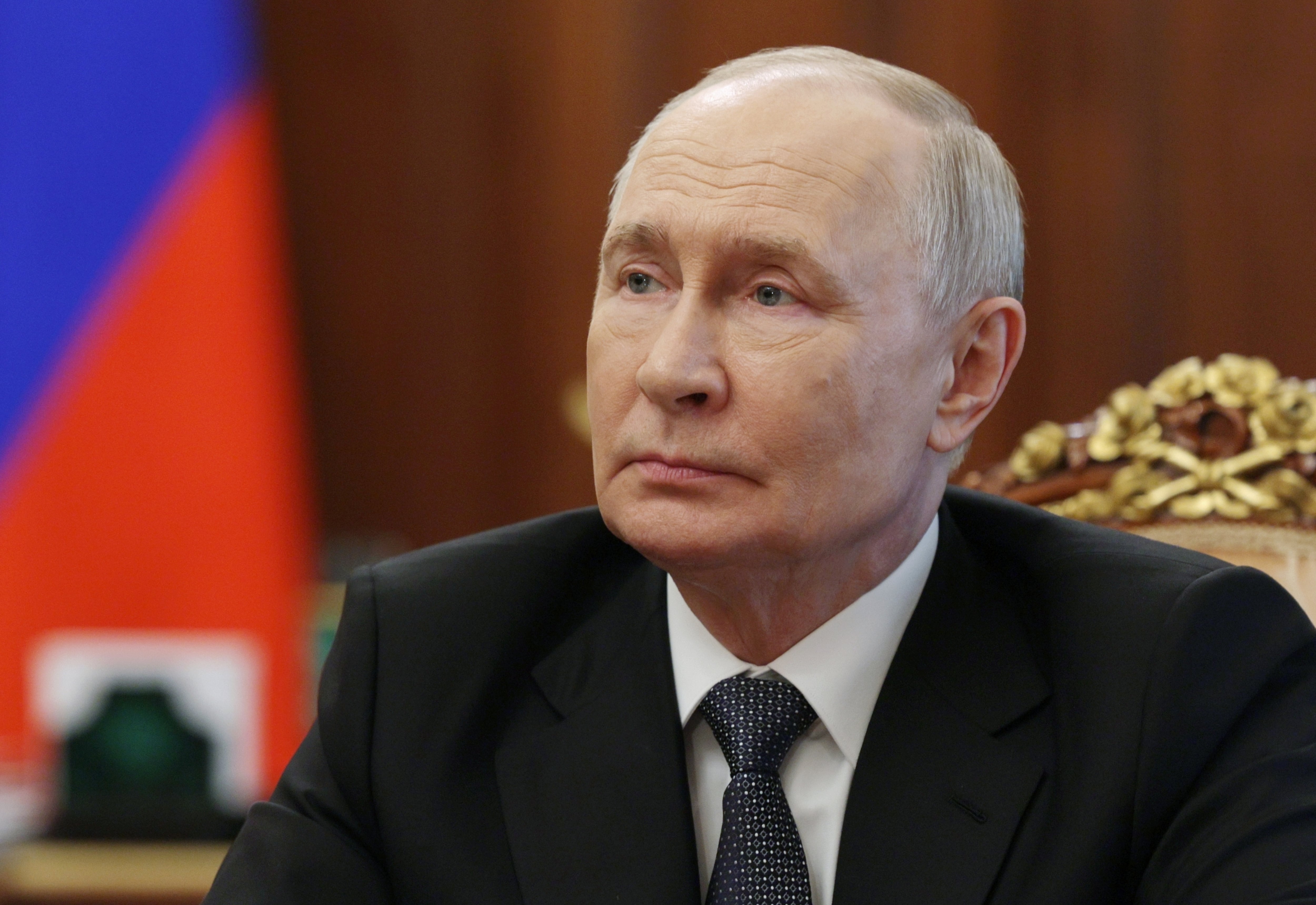
Four years into Russia's full-scale invasion of Ukraine, the conflict's impact extends far beyond the battlefield, reshaping Russian economy, politics, demographics, and daily life. Military stagnation is fueling internal pressure on the Russian government, with Vladimir Putin's approval ratings reportedly at their lowest since the war began. High military spending is straining the economy, and mobile internet restrictions, implemented to counter Ukrainian drone attacks, are causing widespread public discontent. Russian society is divided into active supporters, opponents who have emigrated or remain silent, and a large majority adopting a strategy of forced adaptation, with recent polls indicating fatigue and economic anxiety. Fuel shortages, exacerbated by Ukrainian drone strikes on oil refineries, have become a significant political challenge, leading to long queues at gas stations and growing social frustration. Russia imported a record 141,000 tons of naphtha in June and banned diesel exports until July 31 to manage a fuel crisis affecting 78 of its 83 regions. Defense spending now accounts for 8% of Russia's GDP, with the industrial sector reconverted for military production, including ammunition, drones, and armored vehicles, supported by state subsidies and higher wages. While official casualty figures are not released, independent estimates suggest between 1.2 million and 1.35 million Russian casualties (killed and wounded). Additionally, an estimated 800,000 to 1.1 million Russians have emigrated since February 2022, primarily IT professionals, journalists, academics, and young people. It remains uncertain if this growing public dissatisfaction can pose a significant political challenge to Putin, given his authoritarian system, increased censorship, and repression, which criminalize all forms of opposition through legal action, lengthy sentences, intimidation, and torture.
The protracted military engagement in Ukraine appears to be creating significant internal economic and social pressures within Russia, diverging from initial expectations of a swift resolution. The reported strain on the economy, evidenced by fuel shortages and increased defense spending, alongside declining public approval for President Putin, suggests a growing disconnect between state objectives and societal well-being. The government's response, characterized by heightened repression and censorship, indicates a strategy to maintain control amidst rising discontent, but this may prove unsustainable in the long term. The conflict's evolving nature, bringing war's consequences directly to Russian territory through drone attacks, challenges the state's narrative and its foundational contract with the populace, which historically prioritized stability over political freedoms. Looking ahead, the sustainability of this model hinges on the state's capacity to manage internal dissent and economic fallout, particularly as global geopolitical and technological landscapes continue to shift.
AI-generated to prompt reflection — not editorial opinion, not advice, not a statement of fact. How this works.