Russia's War Effort: Assessing Military Performance and Strategic Outcomes
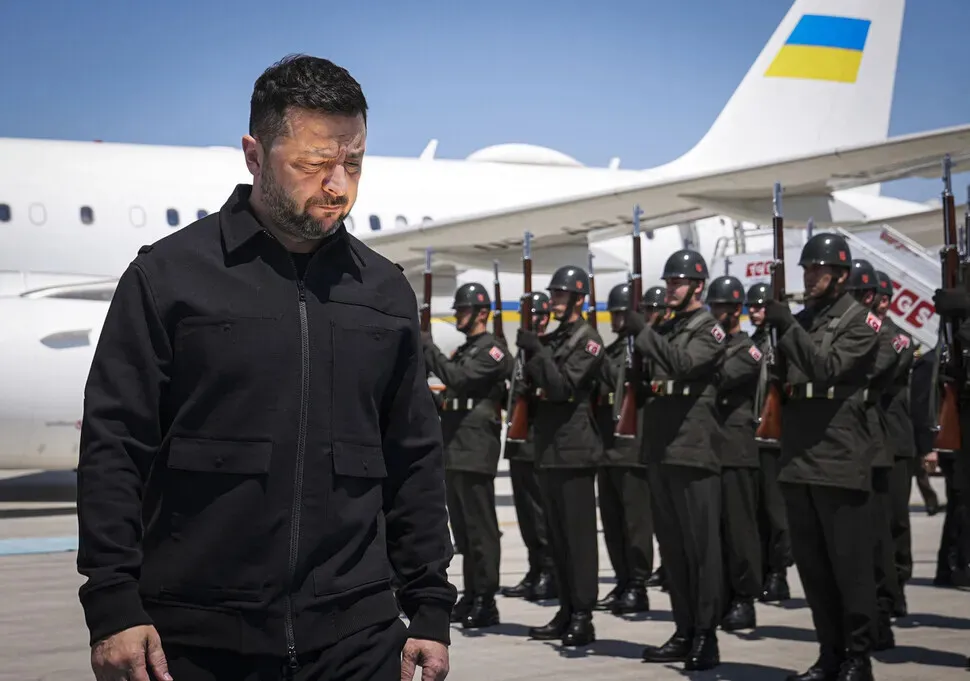
This Q&A piece delves into the complexities of Russia's ongoing military operations, questioning whether the nation is truly losing the war despite apparent setbacks. It aims to provide a nuanced perspective on the conflict, moving beyond simplistic narratives of victory or defeat. The discussion likely explores various facets of the war, including troop movements, equipment losses, and strategic objectives. It may also consider the effectiveness of international sanctions and military aid on the conflict's trajectory. The format suggests an exploration of different viewpoints and expert opinions to offer a comprehensive overview. The article seeks to inform readers about the multifaceted nature of modern warfare and the challenges in definitively assessing a war's outcome in real-time. Ultimately, it prompts a deeper consideration of what constitutes 'losing' a war in the current geopolitical landscape.
Evaluating the strategic performance of any nation-state in a protracted conflict requires a dispassionate assessment of stated objectives against achieved outcomes, considering resource allocation and international response. The framing of 'losing' can be subjective, influenced by propaganda and shifting battlefield dynamics. A long-term perspective, considering geopolitical shifts, economic resilience, and technological adaptation, is crucial for understanding the enduring impact of such conflicts. Future analyses should focus on the systemic incentives driving prolonged engagements and the potential for de-escalation through diplomatic and economic levers, rather than solely on immediate military gains or losses.
AI-generated to prompt reflection — not editorial opinion, not advice, not a statement of fact. How this works.