Russia Shifts Drone Tactics from Gasoline to Jet Engines
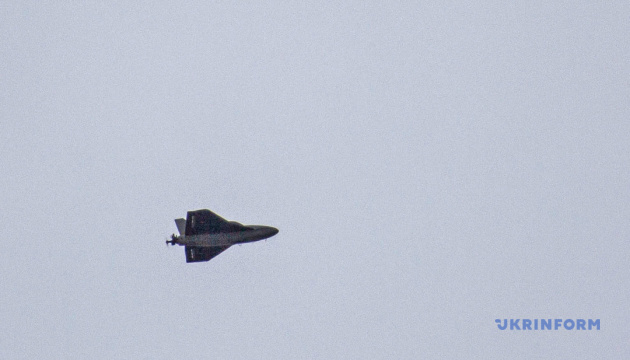
Russia is altering its strategy for employing Shahed-type strike drones, transitioning from models powered by gasoline engines to those utilizing jet propulsion. This tactical shift indicates a potential evolution in the capabilities and operational range of Russian unmanned aerial vehicles. The change suggests an effort to enhance performance characteristics such as speed, altitude, and potentially payload capacity. Such modifications could allow for greater operational flexibility and effectiveness in various combat scenarios. The specific implications of this transition are still unfolding, but it points towards Russia's ongoing investment in and adaptation of drone technology for military purposes. The move from gasoline to jet engines represents a significant technological upgrade, potentially impacting the threat landscape posed by these drones.
Russia's reported shift from gasoline-powered to jet-powered Shahed drones signifies an effort to enhance the performance envelope of its unmanned aerial systems. This technological progression could enable faster speeds, higher operational altitudes, and potentially greater range or payload, thereby increasing the threat posed by these platforms. From a strategic perspective, this adaptation reflects a continuous cycle of innovation and response within military technology, driven by the demands of protracted conflict. The long-term implications will depend on the cost-effectiveness, reliability, and scalability of these new systems, as well as the countermeasures developed by adversaries. This evolution underscores the increasing importance of drone technology in modern warfare and the ongoing arms race in this domain.
AI-generated to prompt reflection — not editorial opinion, not advice, not a statement of fact. How this works.