Russia Takes Zelensky's Threats Against Belarus Seriously, Warns Kyiv
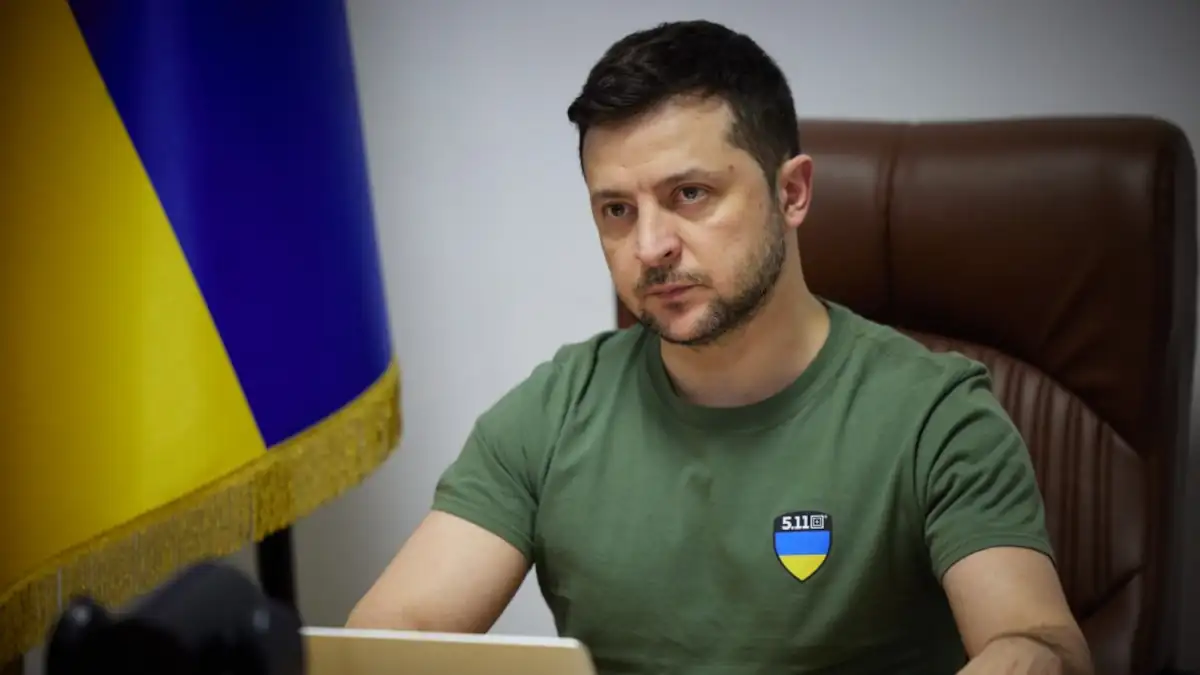
Konstantin Kosachev, the Vice-President of Russia's Federation Council, stated on July 1st that Ukrainian President Volodymyr Zelensky's threats directed at Belarus should be taken seriously. Kosachev made these remarks in an interview with the TASS news agency, responding to an ultimatum issued by Kyiv to Minsk. The Russian official's comments indicate a heightened concern within Russia regarding potential escalations stemming from the conflict in Ukraine and its implications for neighboring Belarus. This development suggests that Russia is closely monitoring statements and actions by Ukrainian leadership that could impact regional stability. The specific nature of Zelensky's ultimatum and the precise threats were not detailed in the provided text, but Kosachev's strong reaction implies they are perceived as significant by the Russian government. The situation underscores the complex geopolitical dynamics at play, with potential spillover effects into other Eastern European nations.
The statement by Konstantin Kosachev highlights the Russian Federation's strategic sensitivity to perceived threats against its ally, Belarus. This response can be viewed through the lens of geopolitical deterrence, where Russia signals its commitment to protecting its sphere of influence and potentially deterring further Ukrainian actions that could destabilize the region. The framing of Zelensky's statements as 'threats' and the call to take them 'seriously' serves to legitimize a strong Russian stance and potentially justify future actions or rhetoric. From a systems perspective, this exchange illustrates the interconnectedness of regional security architectures and how rhetoric in one conflict can trigger defensive or preemptive posturing in adjacent geopolitical arenas. The next decade's focus on conflict de-escalation and cyber-physical security will likely see such pronouncements scrutinized for their potential to ignite unintended escalations.
AI-generated to prompt reflection — not editorial opinion, not advice, not a statement of fact. How this works.