Russia Tightens Rules for Foreigners Living in the Country
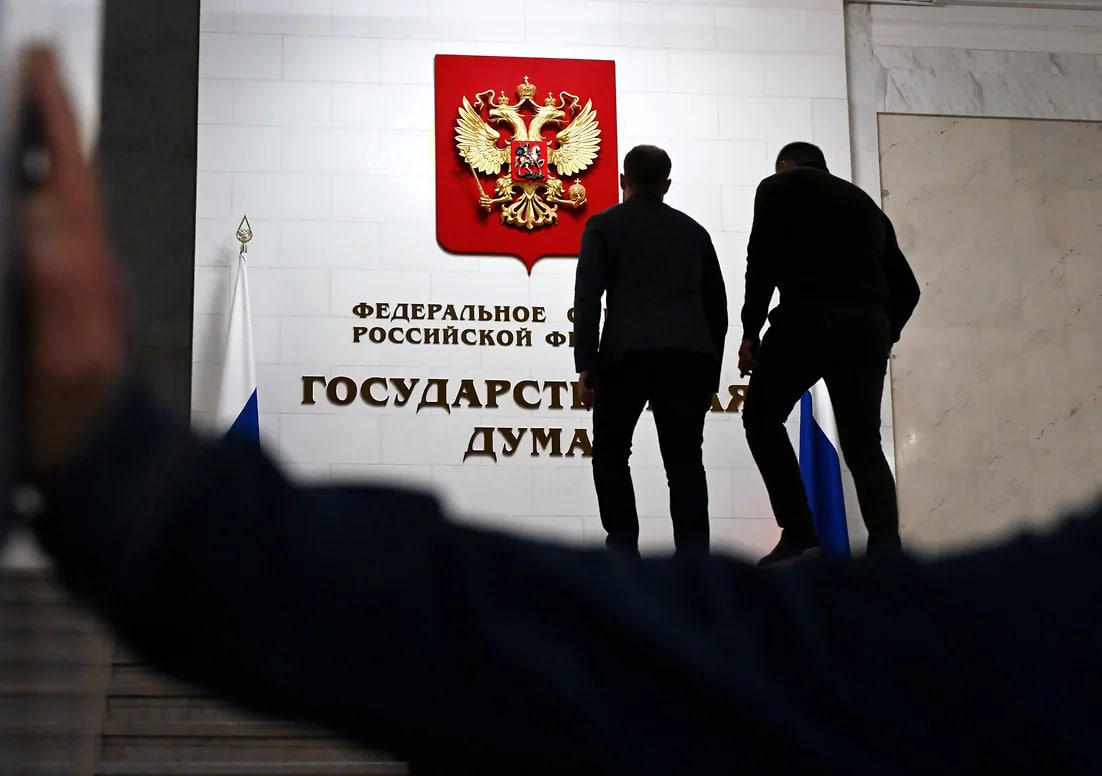
Russia has passed a new law that significantly strengthens the regulations for foreign citizens residing within its borders. A key provision introduces a mandatory income requirement, ensuring that individuals and each dependent family member meet a minimum living standard. Failure to comply with these new financial stipulations will result in severe consequences.
Specifically, foreigners who do not meet the minimum income threshold will face a denial or non-renewal of their work permits (patents). Existing employment contracts may be terminated. Furthermore, their permitted duration of stay in Russia could be shortened, and their residency permits might be revoked altogether. This legislative change aims to impose stricter controls on the foreign population within Russia.
This legislative update reflects a broader trend of nations re-evaluating immigration policies in response to evolving economic and social pressures. By introducing a mandatory income threshold, Russia appears to be incentivizing a self-sufficient foreign population, potentially aiming to reduce reliance on social services and ensure economic contribution. This policy could inadvertently create barriers for lower-skilled workers and their families, impacting labor markets and potentially leading to increased undocumented residency if compliance becomes unfeasible. The long-term effects will depend on the specific income levels set and the enforcement mechanisms employed, influencing demographic shifts and Russia's engagement with the global workforce.
AI-generated to prompt reflection — not editorial opinion, not advice, not a statement of fact. How this works.