Russian Attacks Kill 13, Injure 50 Across Ukraine
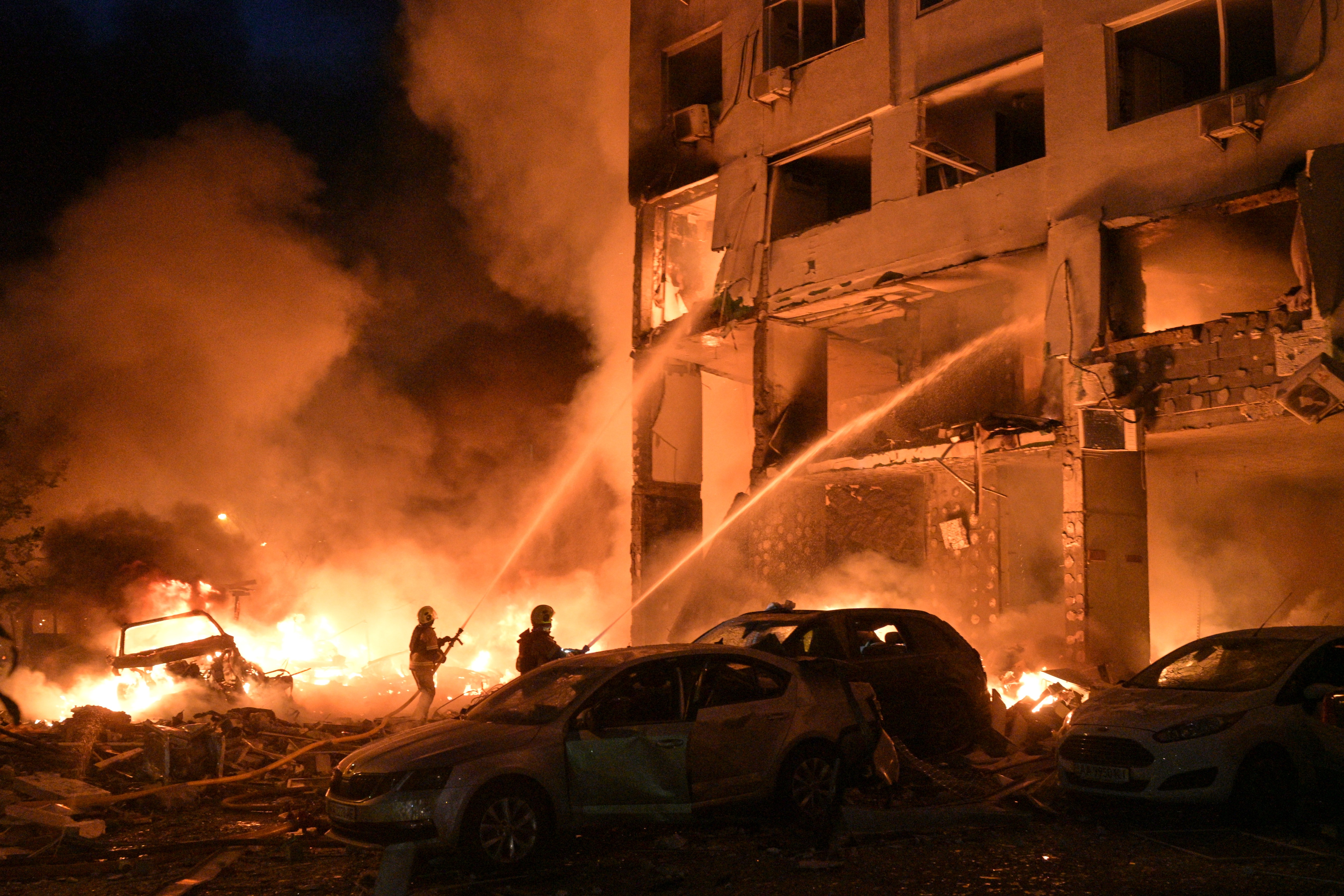
Russian attacks across various regions of Ukraine on Wednesday, July 15th, resulted in 13 fatalities and 50 injuries, according to local authorities. This escalation occurs more than four years into the Russian invasion, with civilian casualties rising significantly. June 2026 marked the deadliest month for Ukrainian civilians since April 2022, as reported by the UN. In Sumy, three people were killed and 17 injured, including a 16-year-old, by Russian bombs. The Odessa region experienced its fifth consecutive day of Russian missile and drone strikes, causing three deaths and eight injuries, with damage to a warehouse, gas pipeline, and building. Additional casualties included one death in Mykolaiv, one in Kryvyi Rih, and two in Donetsk. Zaporizhzhia reported three dead and 15 injured from Russian assaults. Ukraine's Air Force stated that 122 attack drones and two missiles were launched by Russia, with 101 drones being intercepted. Russia's Ministry of Defense claimed to have bombed the ports of Odessa, Chornomorsk, and Dnipro, targeting fuel depots, drone factories, and military supply ships, asserting these ports were used to supply Ukrainian forces. Meanwhile, Ukrainian forces have recently increased shelling of cargo ships in the Sea of Azov, a key route for Russian agricultural exports and Crimea's supply line.
The intensified Russian attacks on civilian infrastructure and ports, coupled with Ukraine's increased targeting of Russian shipping in the Sea of Azov, highlight a strategic shift towards economic and logistical disruption. This escalation, occurring amidst record civilian casualties, underscores the evolving nature of the conflict, moving beyond direct military confrontation to encompass broader economic warfare. The targeting of supply lines and agricultural exports suggests an attempt by both sides to exert pressure through means that have far-reaching global implications, particularly for food security. Future developments may see a continued focus on disrupting critical infrastructure and trade routes, potentially exacerbating existing geopolitical tensions and impacting global markets.
AI-generated to prompt reflection — not editorial opinion, not advice, not a statement of fact. How this works.