Russian Bombing Kills Four in Sumy; Other Regions Also Hit
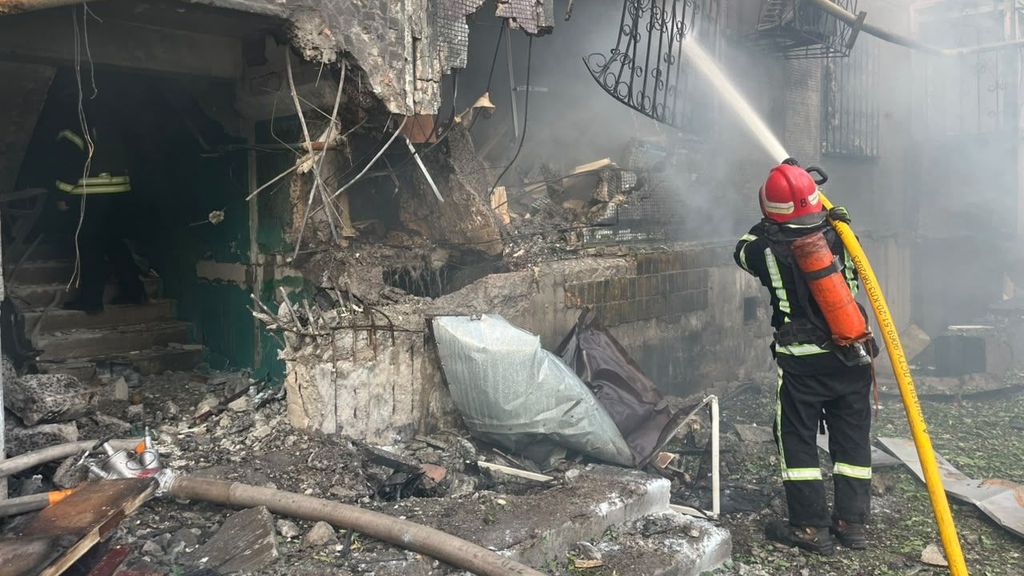
A Russian attack on the city center of Sumy, Ukraine, resulted in at least four fatalities and 27 injuries, according to the regional governor. The Russian military employed heavy glide bombs, striking multiple apartment buildings and shops on a busy street. Among the deceased were a 5-year-old child and her mother. The injured have been hospitalized, and there is a possibility of people still trapped under the rubble. This follows earlier glide bomb attacks by Russia in the Sumy border region yesterday, which caused one death. Separately, in the southeastern Dnipropetrovsk region, attacks involving drones, artillery, and bombs occurred. In Nikopol, near the Zaporizhzhia nuclear power plant, two people were killed and twelve injured. Two additional fatalities were reported in Zaporizhzhia city itself. These recent strikes come after intense bombardments on Kyiv on Thursday, which claimed at least 30 lives and were described by the capital's mayor as the largest attacks on the city to date. Kyiv observed a day of mourning yesterday in response to these assaults.
The reported attacks underscore the persistent and escalating nature of the conflict, with civilian infrastructure and residential areas being repeatedly targeted. The use of heavy glide bombs and a multi-pronged approach across different regions suggests a strategy aimed at widespread disruption and psychological impact. From a systemic perspective, such tactics raise questions about adherence to international humanitarian law and the long-term implications for urban resilience and reconstruction efforts. The recurrence of these attacks, even after significant loss of life in previous bombardments like those on Kyiv, highlights the challenges in de-escalation and the potential for cycles of reprisal. Looking ahead, the continued targeting of civilian areas poses significant risks to the stability of critical infrastructure and the well-being of the population, demanding robust international scrutiny and accountability mechanisms.
AI-generated to prompt reflection — not editorial opinion, not advice, not a statement of fact. How this works.