Russian Fuel Shortages Intensify Amidst Drone Attacks on Refineries
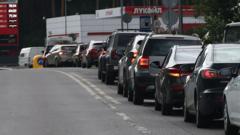
Russia is experiencing fuel shortages, leading to long queues at petrol stations, as its oil refineries face continuous drone attacks from Ukraine. These attacks have disrupted fuel production and supply chains within Russia. The scarcity of petrol and diesel is forcing citizens to wait for extended periods to refuel their vehicles. The situation highlights the impact of the ongoing conflict on energy infrastructure and civilian access to essential resources. The Ukrainian drone strikes are specifically targeting Russia's oil refining capabilities, aiming to cripple its energy sector. This has created a domestic crisis for Russia, affecting everyday life and the availability of transportation fuels. The government is reportedly struggling to manage the escalating demand against the backdrop of reduced refinery output. The implications of this fuel crisis extend beyond Russia's borders, potentially influencing global energy markets.
The Ukrainian drone attacks on Russian oil refineries represent a strategic escalation in the conflict, directly impacting Russia's domestic energy supply and economy. This tactic aims to exert pressure by disrupting a vital revenue stream and causing internal instability. From an economic perspective, such infrastructure attacks can lead to price volatility and supply chain disruptions, affecting both consumers and industrial sectors reliant on fuel. The situation underscores the vulnerability of critical energy infrastructure to asymmetric warfare. Looking ahead, the increased reliance on drones for strategic targeting suggests a growing trend in modern conflict, where non-state actors or technologically adept adversaries can challenge established powers by exploiting systemic weaknesses. The long-term consequences may include a push for enhanced energy security measures and diversification of energy sources globally, as well as a re-evaluation of the resilience of energy infrastructure against such threats.
AI-generated to prompt reflection — not editorial opinion, not advice, not a statement of fact. How this works.