Russian journalist Daria Shipacheva sentenced to 12 years for treason in secret trial
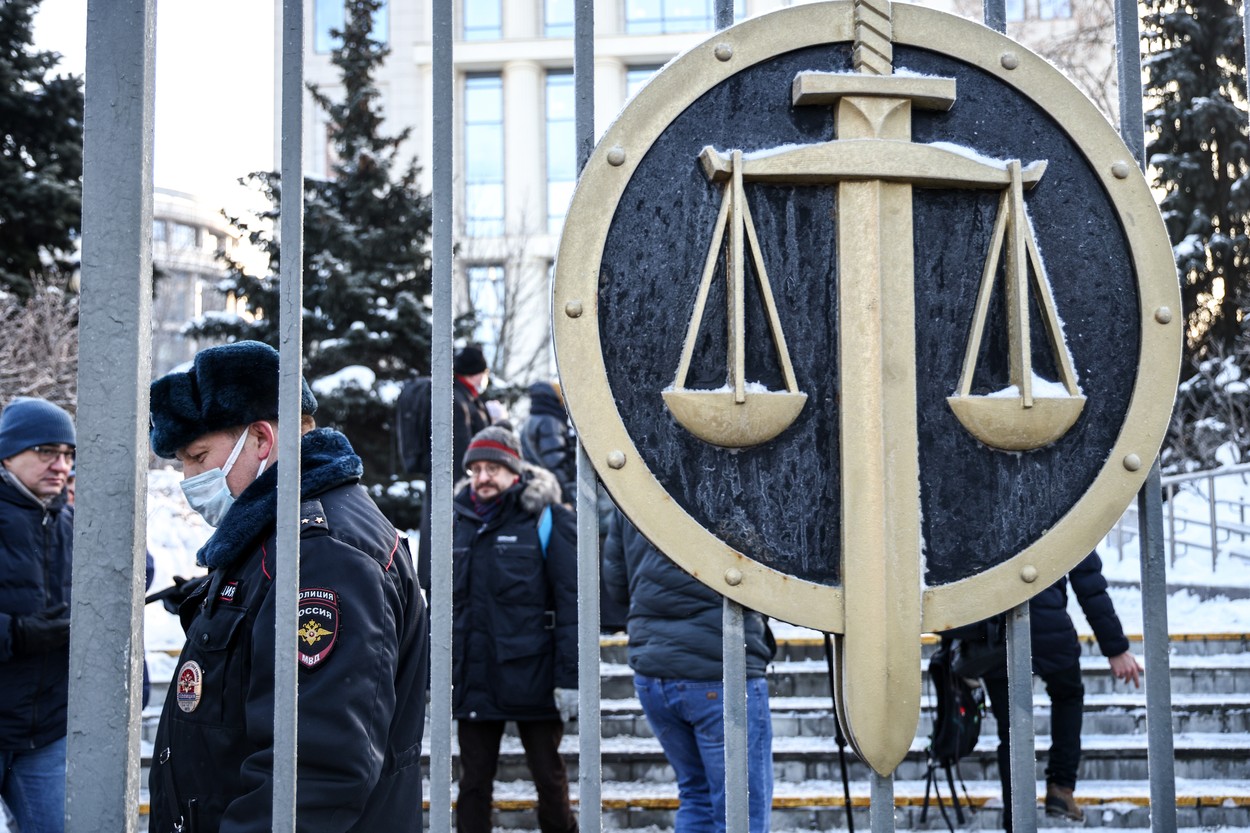
Russian journalist Daria Shipacheva has been sentenced to 12 years in a penal colony by a Moscow court after being found guilty of treason. The trial was conducted behind closed doors, and authorities have not publicly disclosed any details regarding the case. This verdict highlights the increasing severity of charges related to state security in Russia. The lack of transparency in the proceedings raises concerns about due process and the potential for politically motivated prosecutions. Shipacheva's conviction adds to a growing number of cases involving journalists and activists facing severe penalties under Russian law. The specific nature of the alleged treason remains undisclosed, contributing to an atmosphere of uncertainty and fear.
The sentencing of Daria Shipacheva on charges of treason, conducted in a closed trial with no public details, reflects a pattern of increasing state control over information and dissent within Russia. This approach limits public scrutiny and potentially erodes trust in the judicial process. From a systemic perspective, such opacity can stifle investigative journalism and create an environment where accusations are difficult to contest, impacting the broader landscape of press freedom and civil liberties. The long sentence suggests a strict interpretation of state security laws, which may have implications for future reporting on sensitive topics within the country.
AI-generated to prompt reflection — not editorial opinion, not advice, not a statement of fact. How this works.