Russian Military Uniform at Hermanus School Sparks Concern
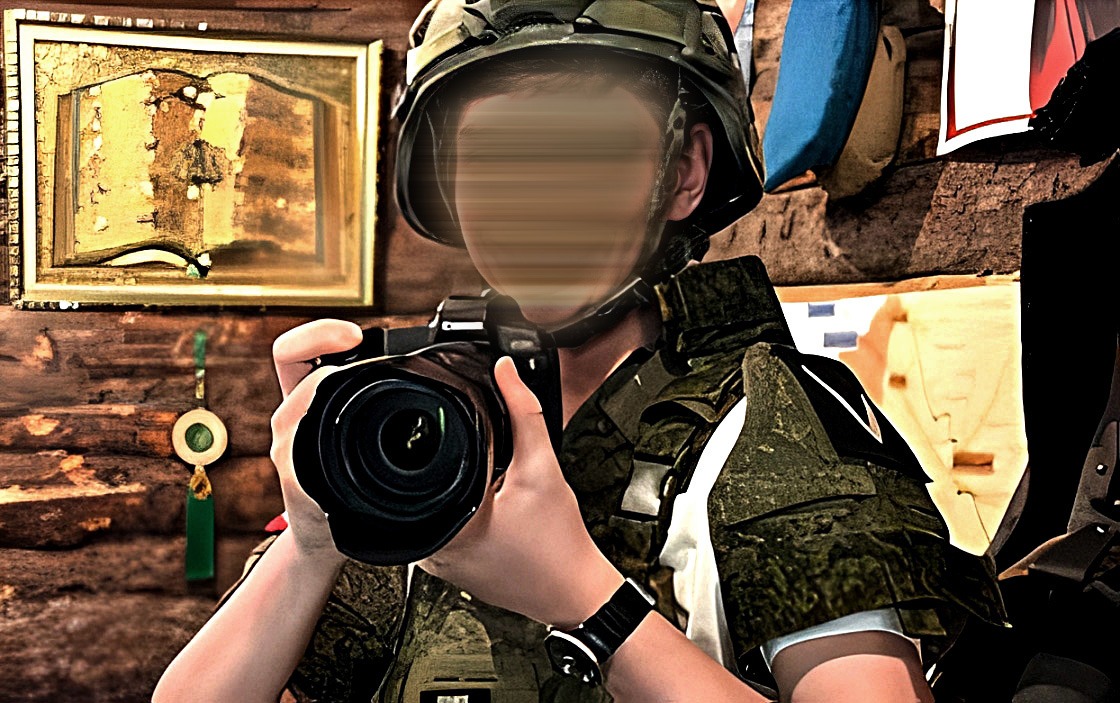
A photograph of a Hermanus schoolboy wearing a Russian military uniform has triggered protests from Ukrainians concerned about the 'militarisation and indoctrination' of South African youth. The image, which circulated on social media, was reportedly taken at a museum in Chelyabinsk, Russia. Ukrainians have voiced alarm over the potential implications of such displays, suggesting they could be part of a broader effort to influence young people. The incident highlights international sensitivities surrounding symbols of military history and their presentation in educational or public spaces. The specific context of the museum visit and the uniform's origin are central to the controversy. This event has brought to light the broader geopolitical tensions that can manifest even in seemingly local incidents. The concerns raised by Ukrainian groups point to a perceived risk of foreign influence on youth perceptions. The display of military attire, particularly from a nation involved in ongoing international conflict, has clearly resonated with communities affected by that conflict.
The display of a Russian military uniform at a South African school, even if originating from a museum in Chelyabinsk, raises questions about the curation and context of historical artifacts presented to young people. While the intent may have been educational, the visual association with current geopolitical conflicts can inadvertently foster perceptions of militarisation or ideological alignment. This situation underscores the importance of careful consideration in educational settings regarding the presentation of national symbols and military history, especially when those symbols are linked to ongoing international disputes. Future approaches should prioritize historical accuracy and neutrality, while being sensitive to the potential for misinterpretation and the impact on diverse communities with differing perspectives on global events.
AI-generated to prompt reflection — not editorial opinion, not advice, not a statement of fact. How this works.