Russian Missile Attack on Kyiv Kills at Least Nine, Injures 30
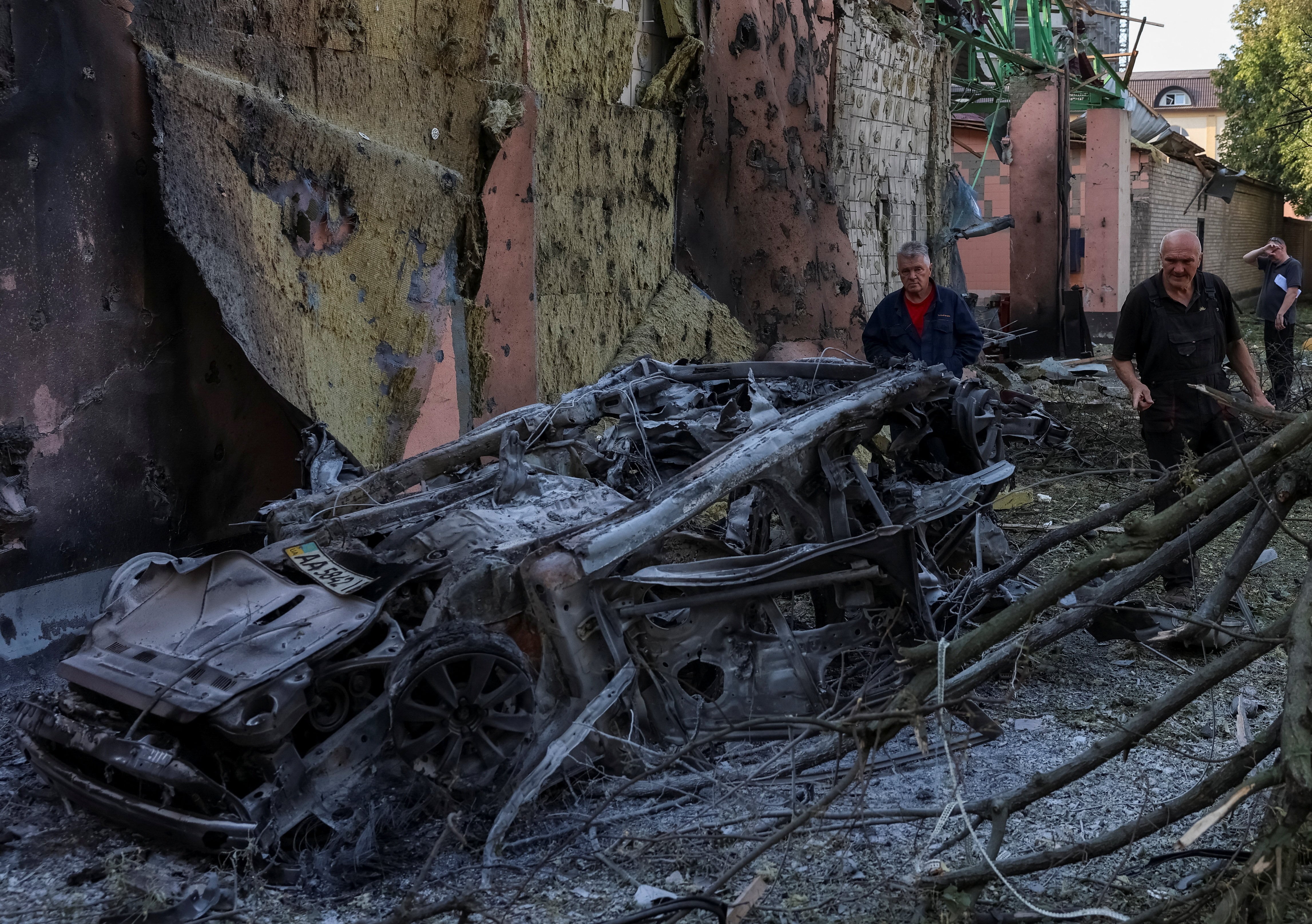
A Russian ballistic missile attack on Kyiv on January 23, 2024, resulted in at least nine fatalities and left approximately 30 individuals injured. The strike occurred amid Ukraine's ongoing appeals regarding a critical shortage of air defense systems. Ukrainian officials reported that the missiles targeted various districts within the capital city. Emergency services were immediately dispatched to the affected areas to provide aid and assess the damage. The attack underscores the persistent threat faced by Ukrainian cities from Russian aerial bombardments. This incident highlights the urgent need for increased military assistance, particularly in advanced air defense capabilities, to protect civilian populations. The Ukrainian government has condemned the attack, calling it a deliberate act of terror against civilians. International observers are monitoring the situation closely, with many expressing concern over the escalating violence and its impact on the civilian infrastructure.
This event highlights the critical challenge Ukraine faces in defending its urban centers against sophisticated Russian missile systems, particularly in the context of perceived or actual shortages in Western-supplied air defense. The strategic calculus behind such attacks, especially when civilian casualties are high, often involves attempting to degrade morale, disrupt critical infrastructure, or provoke a disproportionate response. From a systemic perspective, the effectiveness of air defense is directly tied to the speed and volume of international military aid, creating a dynamic where defensive capabilities can lag behind offensive threats. This situation underscores the complex interplay between geopolitical alliances, industrial production capacities, and the immediate needs of a nation under siege, posing a significant challenge for long-term strategic planning and international security cooperation.
AI-generated to prompt reflection — not editorial opinion, not advice, not a statement of fact. How this works.