Russian oil refining hits 21-year low due to Ukrainian drone attacks
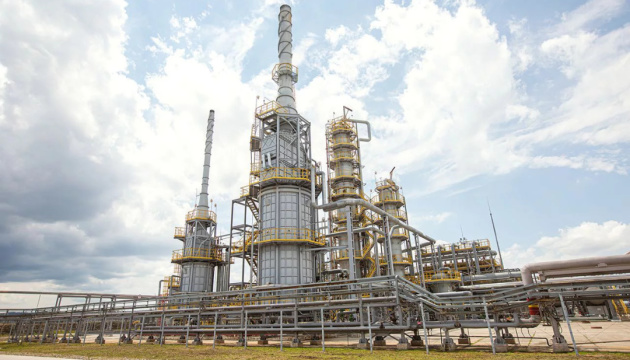
Russia's oil refining volumes have fallen to their lowest point since 2005. This significant decline is attributed to ongoing attacks by Ukrainian drones. The disruptions have impacted the operational capacity of Russian refineries, leading to a substantial reduction in the amount of crude oil being processed. This marks a critical low point for the country's oil processing sector, with implications for both domestic energy supply and international markets. The sustained drone strikes have proven effective in targeting and degrading Russia's refining infrastructure. This situation highlights the vulnerability of key energy assets to asymmetric warfare tactics. The long-term consequences for Russia's energy sector and its global economic standing are yet to be fully determined.
The reported decline in Russian oil refining capacity, attributed to Ukrainian drone strikes, presents a significant challenge to Russia's energy sector. This situation underscores the strategic impact of asymmetric attacks on critical infrastructure, potentially affecting global energy markets and Russia's revenue streams. The long-term implications involve the resilience of Russia's refining network against sustained technological and tactical pressures, and the potential for further diversification of energy supply routes by affected nations. This event prompts consideration of how geopolitical tensions are reshaping global energy logistics and the evolving landscape of cyber and drone warfare in targeting industrial assets.
AI-generated to prompt reflection — not editorial opinion, not advice, not a statement of fact. How this works.