Russian opposition figure Boris Nadezhdin withdraws from presidential race
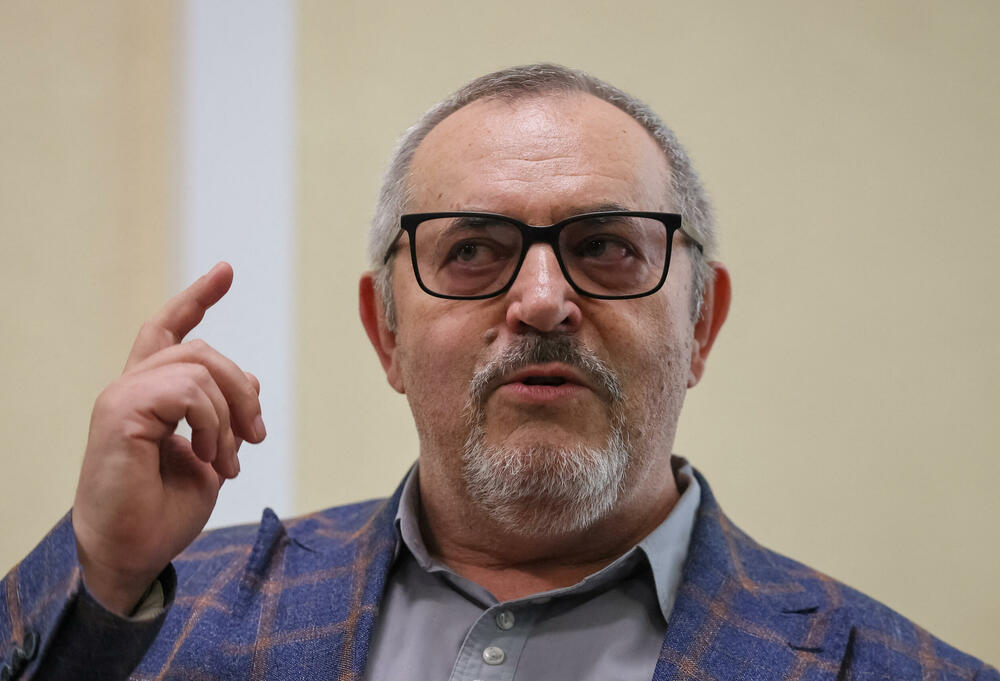
Boris Nadezhdin, a Russian opposition figure, has withdrawn his candidacy for the upcoming presidential election. Nadezhdin was notable as one of the few individuals in Russia who publicly criticized President Vladimir Putin and the ongoing offensive in Ukraine without facing imprisonment. His decision to withdraw removes a dissenting voice from the electoral landscape, although his public stance against the Kremlin's policies had already made him a distinct figure. The withdrawal comes amid a political climate where open opposition to the government's actions is met with significant risks. Nadezhdin's campaign had previously been characterized by his outspoken criticism, setting him apart from other candidates and political figures within Russia.
The withdrawal of Boris Nadezhdin from the Russian presidential race removes a rare public critic of President Putin and the Ukraine offensive from the electoral contest. This event highlights the constrained political space for opposition figures in Russia, where expressing dissent carries substantial personal and legal risks. The situation prompts consideration of the incentives for political participation within authoritarian or semi-authoritarian systems, and how the perceived lack of viable avenues for expressing alternative viewpoints might influence public engagement and political discourse. From a systems perspective, the absence of robust, independent political competition can impact governance by reducing accountability mechanisms and limiting the diversity of policy proposals considered.
AI-generated to prompt reflection — not editorial opinion, not advice, not a statement of fact. How this works.