Russian Pranksters Impersonate Ukrainian Minister, Deceive Greek Official
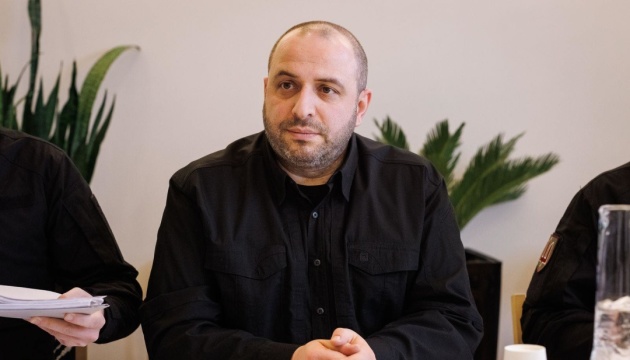
Russian pranksters Vovan and Lexus have successfully impersonated Rustem Umerov, the Ukrainian Minister of Defense, in a phone call with a chief national security advisor to the Greek Prime Minister. During the conversation, the Greek official unknowingly disclosed confidential information pertaining to Greece's security. This incident has prompted opposition parties in Greece to demand the resignation of the advisor. The prank highlights a sophisticated disinformation tactic employed by the Russian duo, who have a history of targeting high-profile figures.
This incident underscores the evolving landscape of geopolitical influence operations, where sophisticated social engineering tactics are employed to extract sensitive information and sow discord. The vulnerability of even high-level security advisors to impersonation highlights the critical need for robust verification protocols in intergovernmental communications. The actions of the Russian pranksters, while framed as a prank, represent a tactic that can undermine trust and potentially compromise national security. Future strategies must prioritize advanced authentication methods and continuous training on identifying and mitigating such sophisticated influence campaigns.
AI-generated to prompt reflection — not editorial opinion, not advice, not a statement of fact. How this works.