Russian "Shadow Fleet" Drones Monitored NATO Nuclear Sites
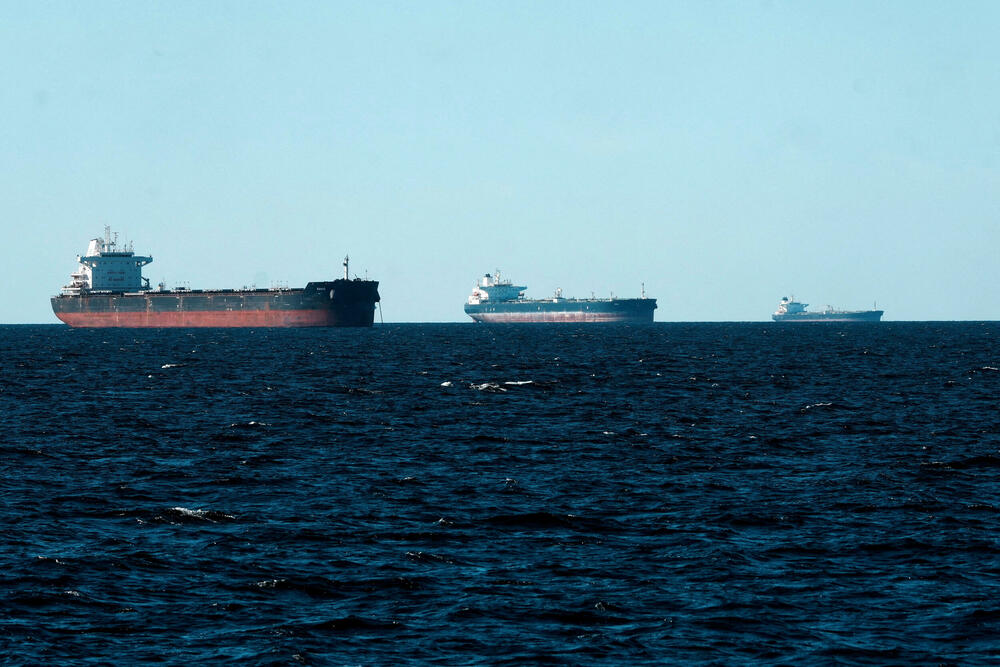
For 18 months, Russia has been utilizing drones launched from vessels within its "shadow fleet" to conduct surveillance of nuclear facilities and military bases across Europe. This covert operation, detailed in an analysis by the International Institute for Strategic Studies (IISS), highlights potential vulnerabilities in NATO's defense infrastructure. The drones, deployed from ships operating outside conventional naval registries, have reportedly gathered intelligence on critical strategic locations. The IISS report suggests that this activity, spanning over a year and a half, has provided Russia with significant insights into NATO's security measures and operational capabilities. The use of such a "shadow fleet" indicates a sophisticated and clandestine approach to intelligence gathering, potentially bypassing standard maritime and aerial surveillance protocols. The findings raise concerns about the effectiveness of current defenses against unconventional intelligence operations. The specific number or types of drones used, as well as the exact locations monitored, were not detailed in the initial report. However, the scope of the surveillance implies a broad reach across European territories.
The deployment of Russian drones from a "shadow fleet" for surveillance of NATO nuclear and military sites over an 18-month period suggests a strategic effort to probe and potentially exploit defense gaps. This tactic leverages the ambiguity of "shadow fleet" operations to circumvent traditional monitoring mechanisms, raising questions about the adequacy of current intelligence, surveillance, and reconnaissance (ISR) capabilities against non-standard threats. The long duration of the operation implies a sustained interest in understanding NATO's infrastructure and response mechanisms. Future defense strategies may need to incorporate more robust tracking of unconventional maritime assets and enhanced aerial surveillance to counter such clandestine intelligence-gathering activities, particularly in sensitive strategic areas. This situation underscores the evolving nature of geopolitical competition, where technological advancements and novel operational approaches are continuously reshaping security landscapes.
AI-generated to prompt reflection — not editorial opinion, not advice, not a statement of fact. How this works.