Russian Soyuz Rocket Carries New Crew to International Space Station
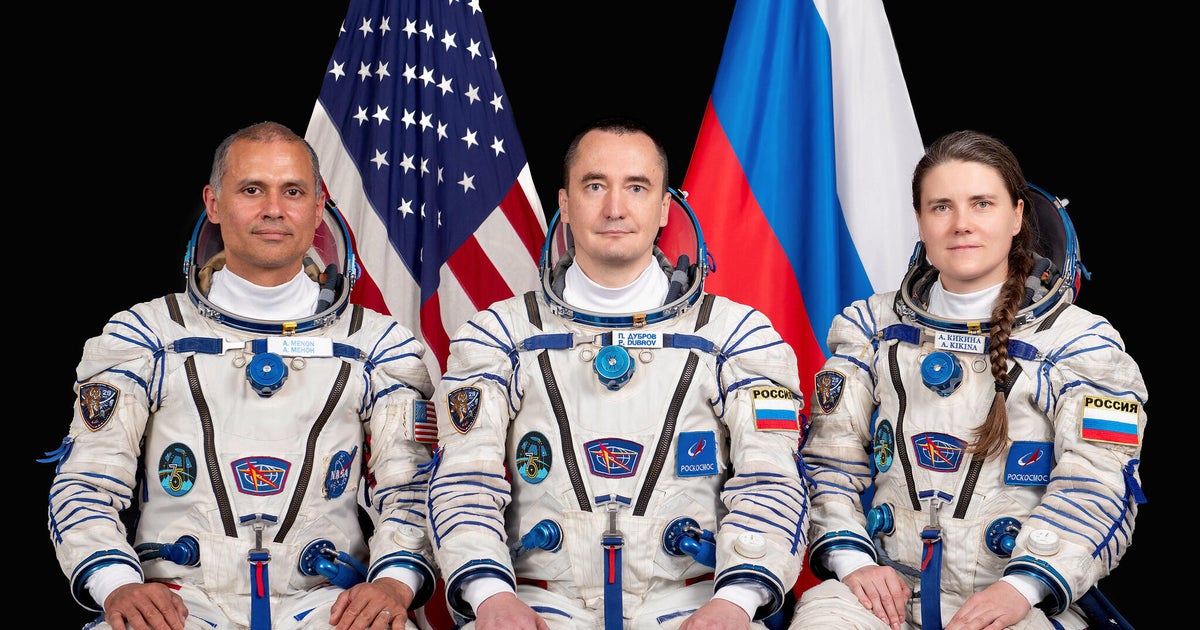
A Russian Soyuz rocket has successfully launched a new crew of astronauts into orbit. The mission is en route to the International Space Station (ISS). The newly launched crew will be responsible for replacing three current Soyuz fliers. These astronauts have completed an extended mission of 240 days aboard the ISS. The Soyuz spacecraft is a key component for crew rotation and resupply missions to the orbiting laboratory. This launch underscores the continued international cooperation in space exploration, despite geopolitical tensions. The ISS serves as a vital platform for scientific research and technological development in microgravity. The successful launch ensures the continuity of operations and research on the station.
The launch of a Russian Soyuz rocket carrying a new crew to the ISS highlights the enduring operational capacity of established spaceflight systems. Despite broader geopolitical complexities, the reliance on the Soyuz program for crew transport demonstrates the critical nature of international partnerships in maintaining long-term space presence. This event underscores the functional separation between scientific and exploratory endeavors and political relations, a dynamic that has historically allowed for continued collaboration in space. Looking ahead, the sustainability of such missions will depend on the diversification of launch capabilities and the long-term strategic alignment of participating space agencies.
AI-generated to prompt reflection — not editorial opinion, not advice, not a statement of fact. How this works.