Russian Tennis Player Suspended Four Years for Refusing Doping Test
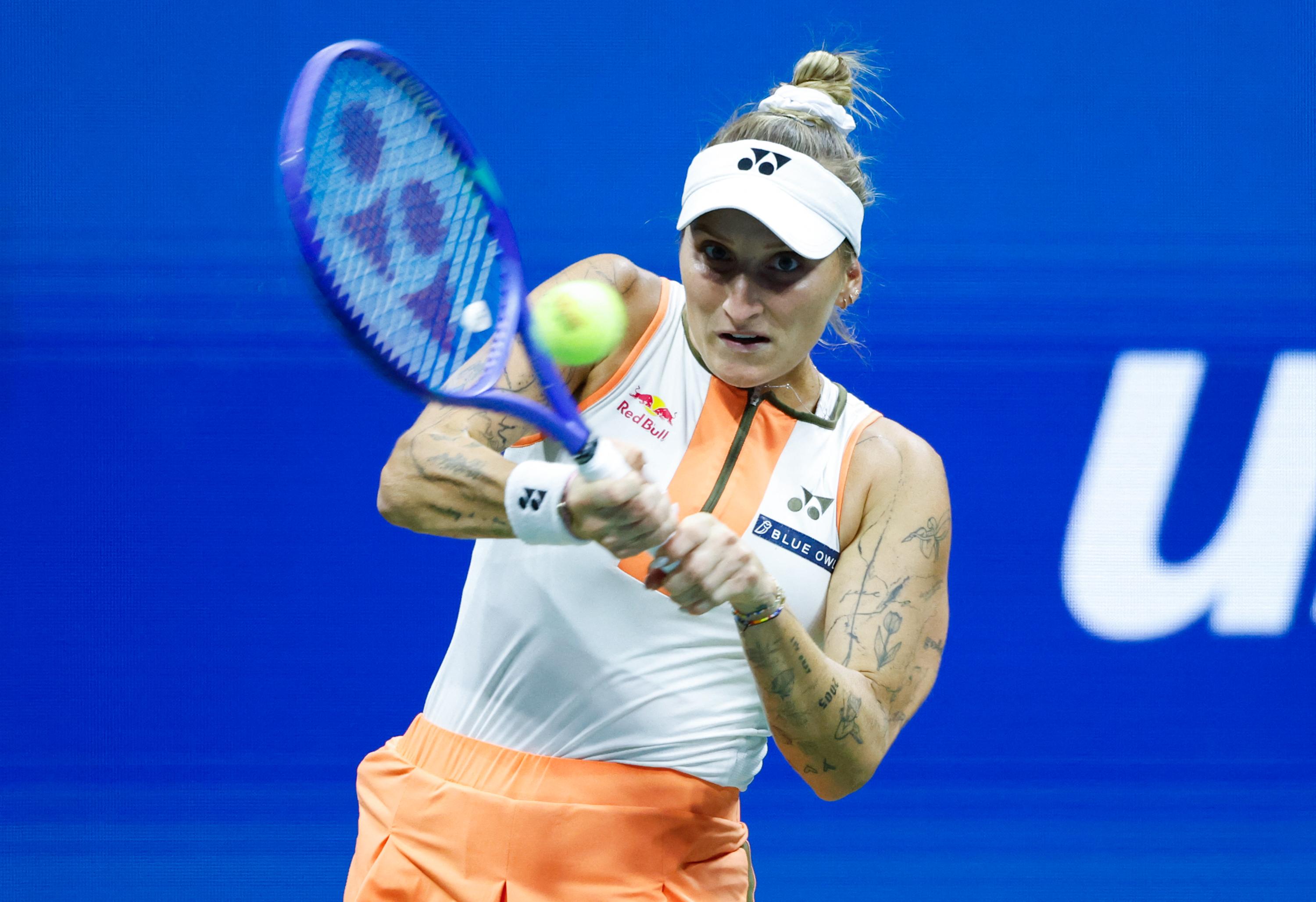
A Russian tennis player has been suspended for four years after refusing to undergo an anti-doping control. The details of the proceedings against the player, who was banned for failing to comply with testing procedures, were recently made public. This suspension carries significant implications for her professional career. The ruling comes after an investigation into her compliance with anti-doping regulations. The player's refusal to cooperate with the testing process led to the severe penalty. This case highlights the strict enforcement of anti-doping rules within professional tennis. The International Tennis Federation (ITF) or relevant governing body would have overseen this process. The duration of the ban, four years, is a substantial period, effectively sidelining the athlete for a significant portion of her career. Further details regarding the specific circumstances of the refused test are expected to emerge as the case unfolds.
The four-year suspension for refusing a doping test underscores the critical importance of athlete cooperation with anti-doping protocols. While the player's rationale for refusal remains unspecified in the provided details, such actions can be interpreted through the lens of incentive structures. Athletes may face a perceived trade-off between potential performance advantages and the risk of sanctions, creating complex decision-making scenarios. This incident serves as a reminder of the robust regulatory frameworks in place to ensure fair play in professional sports. Looking ahead, the evolving landscape of sports integrity, influenced by technological advancements in testing and data analysis, will continue to shape how such cases are managed and precedents are set. The long-term impact on the athlete's career and the broader perception of fairness within the sport will be subjects of ongoing observation.
AI-generated to prompt reflection — not editorial opinion, not advice, not a statement of fact. How this works.